
By Samuel Abate
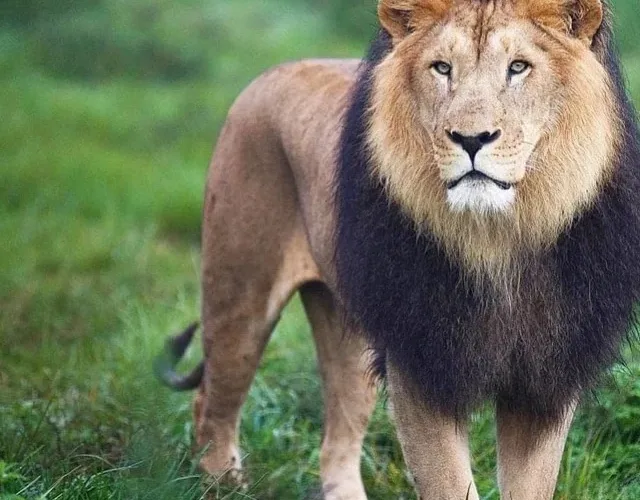
Ethiopia’s lion population is in grave danger of extinction, with numbers dwindling alarmingly. According to Mr. Kahsay Gebre-Tensay, a researcher specializing in lions and carnivores at the Ethiopian Wildlife Conservation Authority, the current population of lions in Ethiopia is estimated to be fewer than 1,000.
Mr. Kahsay, who recently conducted a study to assess the status of lions in the country, noted that while some findings from research in areas like Awash and Central Awash National Parks offer a glimmer of hope, the situation remains critical.
He emphasized that without concerted efforts from all stakeholders, the majestic lions of Ethiopia could soon disappear.
The researcher identified several factors driving the decline of lion populations in Ethiopia, including habitat destruction caused by illegal settlements, deforestation, agricultural expansion, and overgrazing, which shrink natural habitats and disrupt the food chain, making it harder for lions to find prey.
Additionally, illegal hunting poses a severe threat, as poachers target lions for their bones, which are highly valued in traditional medicine.
Human encroachment further exacerbates the problem by intensifying conflicts between local communities and wildlife, placing lions at greater risk.
Mr. Kahsay warned that the extinction of lions would have far-reaching consequences beyond the ecological impact.
Lions hold immense cultural and historical significance in Ethiopian society, symbolizing strength and pride. “If immediate actions are not taken by the government and communities, lions could become nothing more than a memory, with only their name surviving in folklore and history,” he cautioned.
To prevent this dire outcome, the Ethiopian Wildlife Conservation Authority is calling for a united effort to protect lions and their habitats.
Mr. Kahsay highlighted plans to conduct extensive studies across the country to better understand the challenges and implement effective conservation measures.
He urged government bodies, environmental organizations, and local communities to collaborate in safeguarding the lions.
In addition to addressing the challenges facing lions, Ethiopia has established a regulated wildlife hunting system to generate revenue and support conservation efforts.
Daniel Worku, head of the wildlife utilization desk at the Ethiopian Wildlife Development and Conservation Authority, explained that legal hunting is conducted in four regions: Oromia, Afar, Somali, and Southern Ethiopia.
Ethiopia permits hunting for 54 wildlife species, including lions, leopards, and gazelles, while prohibiting hunting for 48 species such as hyenas, elephants, and wolves.
The fees for hunting range from $50 to $15,000, with a mandatory $4,500 fee specifically for hunting a lion, which is considered endangered.
While the legal hunting system aims to manage wildlife populations and support conservation funding, the Ethiopian government faces criticism over the ethics and sustainability of allowing hunting for endangered species like lions.
Conservationists argue that stricter measures and alternative funding sources are needed to ensure the long-term survival of the country’s iconic wildlife.
