Opinions

Free for You, But Who Pays the Price?

Free for You, But Who Pays the Price?

The hidden costs of online piracy for African creativity, livelihoods and consumer safety     By Demeke Kebede A free film, a live football match or the latest episode of a favourite series can be only a click away. For many viewers, websites and applications offering free access to entertainment seem like a convenient way to avoid subscription fees. But there is a question worth asking before pressing play: if the content is free, who is paying the price? Imagine switching on your television one day and finding that your favourite programme has no new episodes. The live sports you follow…

Read More
How Piracy Hurts Emerging Filmmakers

How Piracy Hurts Emerging Filmmakers

By Demeke Kebede Making a film takes a long time, often years. It starts small: an idea, a script written late at night, a few people who believe in the story. Then comes the scramble to borrow money, find investors, gather actors and locations, and build a crew. Then the film comes out, and sometimes within hours, someone has copied it, uploaded it and started passing it around without permission. To the viewer, it's just another film online. To the filmmaker, it can determine whether they make another one or quit. We usually talk about piracy in terms of copyright…
Read More
The Price behind the Promise: How Foreign Capital Can Become Ethiopia’s Public Burden

The Price behind the Promise: How Foreign Capital Can Become Ethiopia’s Public Burden

By Ayele Addis Ambelu (media@africanewschannel.org)  This investigative story examines what happens after foreign capital is announced, contracted and disbursed: who negotiates the financing, who controls the contracts, who benefits from the project, what guarantees and foreign-exchange risks are created, how transparently those obligations are reported, and whether project-level economic benefits are large enough to justify the public risks. Its central focus is the gap between the headline value of investment and the ultimate fiscal, governance and accountability cost carried by the Ethiopian state and taxpayers. The reporting uses foreign direct investment, railway financing, public debt, currency depreciation; the Eurobond restructuring…
Read More
Why Football Is the World’s Most Pirated Sports Content

Why Football Is the World’s Most Pirated Sports Content

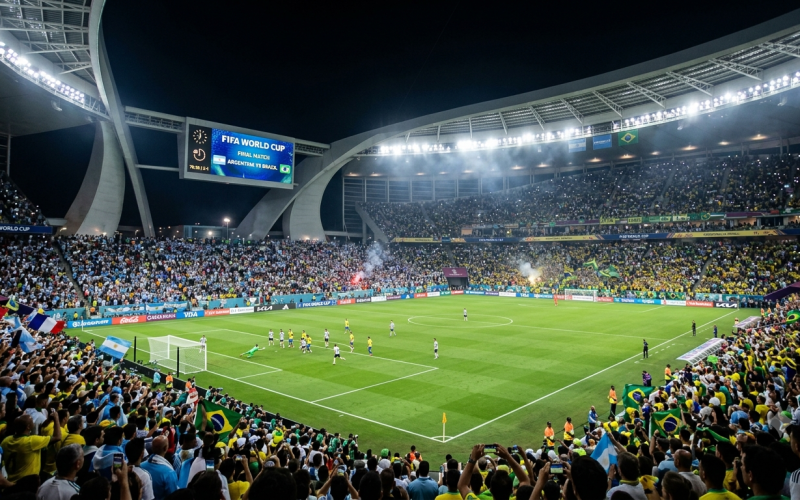
Football is the world's most popular sport, captivating billions of fans across continents. From domestic leagues to the FIFA World Cup, football consistently attracts some of the largest television and digital audiences in the world. Yet this immense popularity has also made football the most pirated sports content globally. The main reason is simple: football is a live experience. Fans want to watch matches as they happen, celebrate goals in real time, and be part of the global conversation. Unlike movies or television series, the value of a football match drops significantly once the result is known. This urgency creates…
Read More
Is Ethiopia’s $2.49 Billion Steel Backbone a Gateway to Growth or a Trap of Corrosive Capital?

Is Ethiopia’s $2.49 Billion Steel Backbone a Gateway to Growth or a Trap of Corrosive Capital?

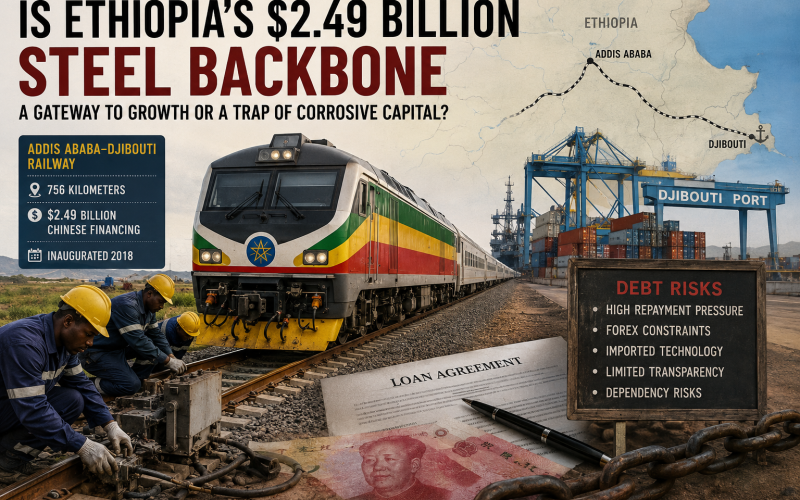
 By Ayele Addis & Team The Grand Ambition: A Steel Corridor to the Sea At dawn on the outskirts of Addis Ababa, inside a maintenance compound lined with imported Chinese electrical panels, Ethiopian technicians begin the grueling work of keeping one of Africa’s most ambitious transport systems alive. These engineers inspect the braking and signaling systems of the 756-kilometer Addis Ababa–Djibouti Railway, a project once celebrated as the backbone of Ethiopia’s modernization. For many, the railway is a powerful symbol of national ambition, a steel corridor connecting a landlocked economy to global trade routes. However, years after its inauguration, it…
Read More
Protecting African stories from the threat of Piracy

Protecting African stories from the threat of Piracy

Partner Content! As the world marks World Intellectual Property Day, conversations around creativity, innovation and protection become increasingly urgent. Across Africa, the entertainment industry has grown into one of the continent’s most dynamic creative and economic sectors, driven by gripping drama series, reality shows, live sport and films that continue to resonate strongly with audiences. More than ever, viewers are connecting with stories that reflect their languages, cultures and lived experiences. Behind every production is a wide network of writers, directors, performers, camera crews, editors, designers and technical specialists, all contributing to a creative economy that continues to expand and…
Read More
Ethiopia’s Coffee Legacy Beyond Exports

Ethiopia’s Coffee Legacy Beyond Exports

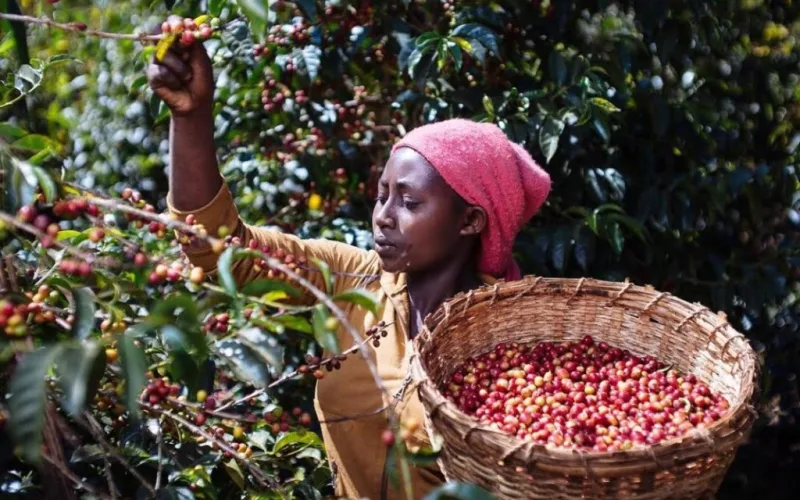
By Sintayehu Girma Aytaged Ethiopia’s Coffee Legacy Must Go Beyond Export Numbers For Ethiopians, coffee is more than a beverage. It is identity, culture, diplomacy, livelihood, and history woven together across generations. From the traditional coffee ceremony performed daily in millions of homes to the country’s growing role in the global coffee market, coffee remains one of Ethiopia’s most powerful national symbols and economic pillars. Today, Ethiopia is celebrating major milestones in the coffee sector, including surpassing two billion dollars in coffee export earnings for the first time in history. While this achievement deserves recognition, it should also encourage deeper…
Read More
The Need for Collaboration Among Ethiopian Media in Fighting Piracy

The Need for Collaboration Among Ethiopian Media in Fighting Piracy

By Demeke Kebede On football weekends in Addis Ababa, thousands gather in homes, cafés, restaurants, and on social media to watch major matches. While many use legal subscriptions, others rely on illegal Telegram links, pirated IPTV services, unauthorized streams, or illegally rebroadcast television feeds. Some businesses even publicly screen premium content using residential subscriptions without proper commercial licenses. Within minutes, content worth millions of Birr is distributed illegally. The result is not only lost revenue, but lost opportunities for Ethiopia’s growing creative industry. Piracy in Ethiopia mainly appears in three forms: Media-to-media piracyDigital piracyIllegal public viewing Media-to-media piracy occurs when…
Read More
The War You Don’t See… But Already Feel

The War You Don’t See… But Already Feel

By Kebour Ghenna The War You Don’t See… But Already Feel By Kebour Ghenna Let’s begin with an uncomfortable thought. What if this war is not really about Iran? Not about nuclear weapons. Not even about security. What if it is about pressure – applied indirectly – on China? Call it a stretch. But consider it. China runs on imported energy. A large share flows through one narrow passage—the Strait of Hormuz. Squeeze that passage, even partially, and you don’t need to confront China directly. You slow it down. And when China slows…The rest of the world doesn’t move faster.…
Read More
Why Ethiopia Must Own Its Sports Economy

Why Ethiopia Must Own Its Sports Economy

By Demeke Kebede On April 26, the world marks World Intellectual Property Day, a global moment dedicated not only to celebrating creativity and innovation, but also to critically examining how ideas, content, and knowledge increasingly shape modern economies. In 2026, the theme “IP and Sports” brings a sharper analytical focus: sport is no longer merely physical competition, it is a structured global industry fundamentally driven by intellectual property rights. For Ethiopia, this shift is strategically significant. The country is already globally recognized for its sporting excellence. However, the central question is no longer about talent production; it is about strategicownership,…
Read More