Ethiopiaeconomy

Sugar, Honey and Chocolate Prices Surge 39.8% as Ethiopia’s Inflation Hits 14.9%

Sugar, Honey and Chocolate Prices Surge 39.8% as Ethiopia’s Inflation Hits 14.9%

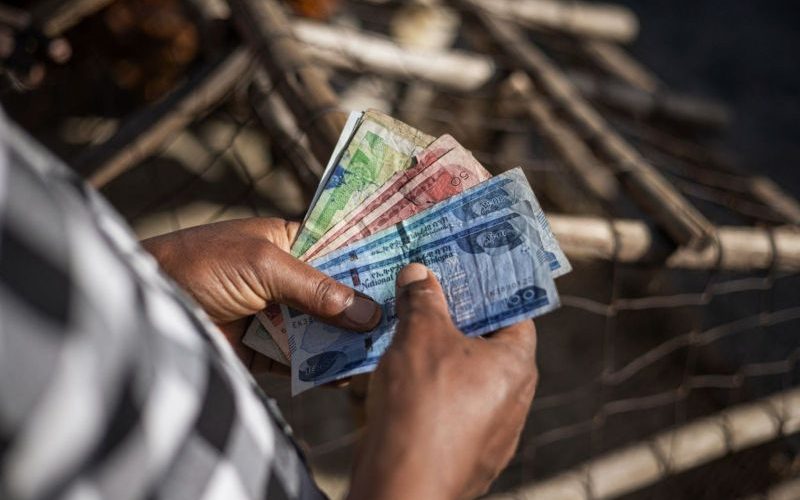
Prices of sugar, honey and chocolate recorded the highest annual increase among major food commodities in Ethiopia, rising by 39.8 percent in September 2026, according to the latest data from the Ethiopian Statistical Service (ESS). The sharp increase came as Ethiopia’s general inflation rate reached 14.9 percent in September  up from 13.2 percent recorded in the same month of the previous year. Among other food commodities, meat prices increased by 22.0 percent, while food products not elsewhere classified rose by 19.1 percent. Prices of oil and butter increased by 18.2 percent, while milk, dairy products and eggs rose by 17.7…

Read More
Ethiopia’s Inflation Falls, But Risks Remain

Ethiopia’s Inflation Falls, But Risks Remain

Ethiopia’s inflation rate has declined significantly from its 2022 peak, but persistent structural pressures, monetary conditions and concerns over policy credibility could undermine efforts to achieve lasting price stability, according to a new research report by the Ethiopian Economics Association (EEA). The report, titled “The Anatomy of Inflation in Ethiopia: Structural Shocks, Policy Credibility, and the Path to Price Stability,” was authored by Naser Yenus Nuru, a senior researcher and team leader for macroeconomy at the EEA. It examines inflation trends between 2018 and 2025 using national and regional price data, a Structural Vector Autoregression model and a survey of…
Read More
Polish Economist Outlines Lessons for Ethiopia’s Economic Growth

Polish Economist Outlines Lessons for Ethiopia’s Economic Growth

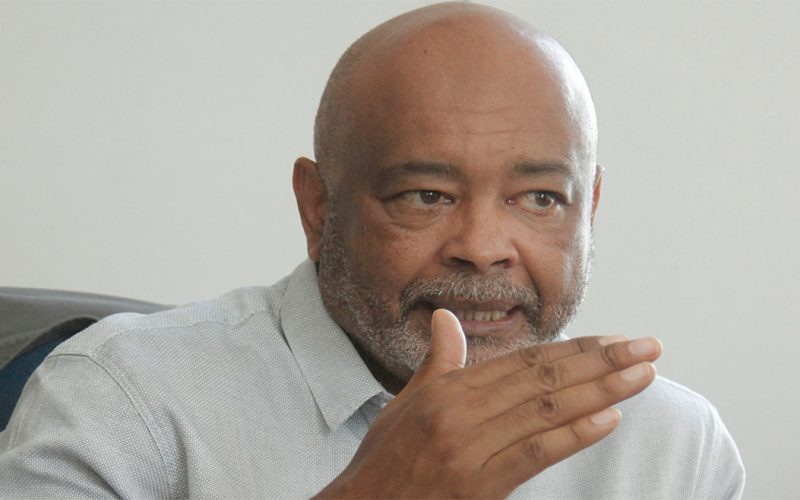
Ethiopia can draw important lessons from Poland’s economic transformation by focusing on openness, education, revenue mobilisation and stronger economic integration, Polish economist Professor Marcin Piątkowski has said. Piątkowski made the remarks during a public lecture in Addis Ababa on Poland’s economic transformation and the lessons it could offer Ethiopia. The event was organised jointly by the Ethiopian Economic Association and the Embassy of Poland in Ethiopia. Piątkowski, who presented Poland’s economic experience to Ethiopian economists, policymakers and other participants, said Poland’s transformation was particularly significant because the country had struggled economically for centuries and was one of the weakest-performing economies…
Read More
The Price behind the Promise: How Foreign Capital Can Become Ethiopia’s Public Burden

The Price behind the Promise: How Foreign Capital Can Become Ethiopia’s Public Burden

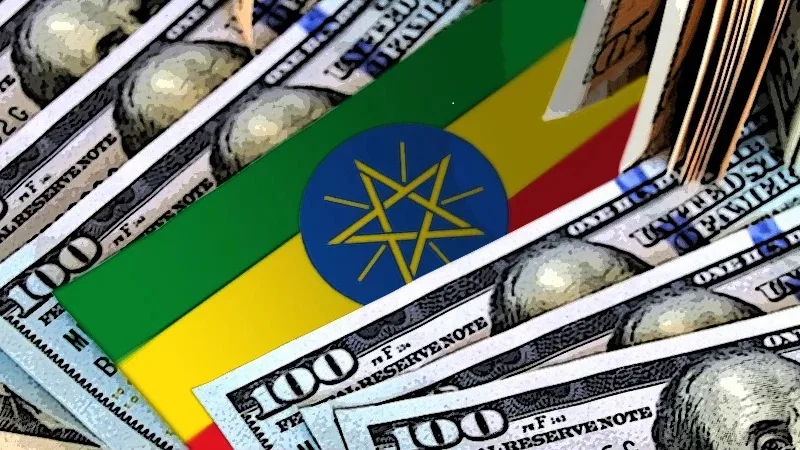
By Ayele Addis Ambelu (media@africanewschannel.org)  This investigative story examines what happens after foreign capital is announced, contracted and disbursed: who negotiates the financing, who controls the contracts, who benefits from the project, what guarantees and foreign-exchange risks are created, how transparently those obligations are reported, and whether project-level economic benefits are large enough to justify the public risks. Its central focus is the gap between the headline value of investment and the ultimate fiscal, governance and accountability cost carried by the Ethiopian state and taxpayers. The reporting uses foreign direct investment, railway financing, public debt, currency depreciation; the Eurobond restructuring…
Read More
Ethiopia, Partners Renew Alliance on Growth and Peace

Ethiopia, Partners Renew Alliance on Growth and Peace

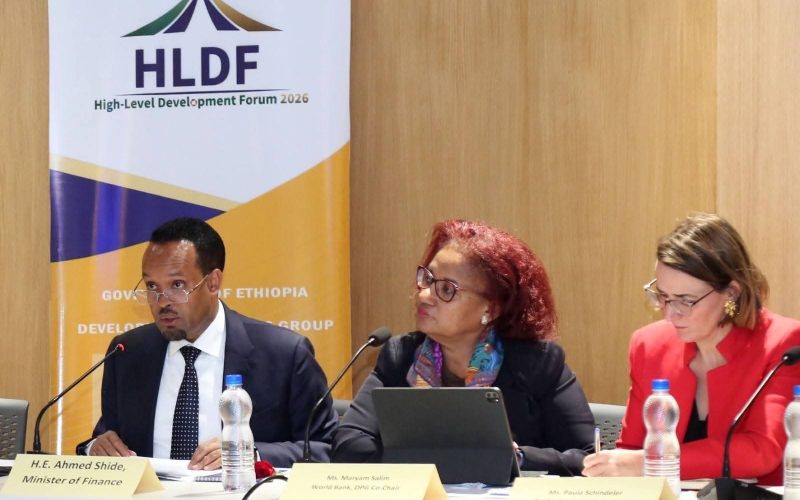
Ethiopia, Development Partners Reaffirm Alliance on Growth and Peace at High-Level Forum The Ethiopian government and members of the Development Partners Group (DPG) have renewed their strategic partnership on inclusive growth, resilience, and sustainable peace following high-level talks in Addis Ababa. The High-Level Development Forum (HLDF) brought together senior government officials, ambassadors, development agencies, and international financial institutions to align cooperation with Ethiopia’s national priorities at what officials described as a critical stage in the country’s reform efforts. Discussions centered on two main pillars: inclusive and sustainable development, and the national dialogue and peacebuilding process. Participants stressed the need for…
Read More
Ethiopia and the Curious Case of the Debt That Refuses to Behave

Ethiopia and the Curious Case of the Debt That Refuses to Behave

By Kebour Ghenna History has a sense of humor, and it usually laughs last. Ethiopia, a country that once borrowed confidently in a world drowning in cheap money, now finds itself negotiating with creditors who insist that rules are rules, except when they aren’t. The problem, we’re told, is technical. A quarrel over “comparability of treatment.” A disagreement about who should lose how much money, and in what order. But that’s never really the problem, is it? The real issue is that Ethiopia has wandered into the modern financial system, a place where debts are sacred, growth is assumed, and…
Read More
Foreign Aid to Ethiopia Drops for Third Consecutive Year

Foreign Aid to Ethiopia Drops for Third Consecutive Year

Ethiopian Economics Association Reports Decline in Foreign Aid to Ethiopia The Ethiopian Economics Association (EEA) has revealed that Ethiopia’s foreign aid has significantly declined over the past two years. According to a recent study conducted by the association, the amount of aid provided by four major donors—France, Germany, the United Kingdom, and the United States—has decreased for three consecutive years. The study was presented during a discussion forum organized by the EEA, which regularly contributes research and policy recommendations aimed at strengthening Ethiopia’s economy. The discussion focused on the country’s growing foreign debt burden and the continuing decline in international…
Read More
The Mirage of Ethiopia’s Economic Growth: A Numbers Game?

The Mirage of Ethiopia’s Economic Growth: A Numbers Game?

By Kebour Ghenna They call it growth. The IMF says Ethiopia’s economy grew by 7.1% in 2022/23. That’s impressive – on paper. The powers that be in Washington, Addis Ababa, and the ivory towers of international finance are quick to applaud such numbers. They tell us Ethiopia is on the brink of an economic renaissance. But as always, there’s more to the story. Numbers can be massaged. Context can be ignored. And the truth? Well, it often hides in plain sight. Ethiopia, a country still grappling with conflict, displacement, and inflation that makes wallets look like they’re on a diet,…
Read More
Ethiopia’s external debt rises to $31 billion

Ethiopia’s external debt rises to $31 billion

The country’s external debt has risen to $31 billion from $28.8 billion in June 2024, according to the Ministry of Finance’s recently released quarterly government debt report. The reason cited for this is the implementation of market-based foreign exchange transactions and the government’s disbursement of a total of $1.6 billion in loans from the International Monetary Fund (IMF) and the World Bank in the three months in question. According to the report, a month before the foreign exchange transaction, in June 2024, the country’s gross domestic product was $207 billion in real terms, but it had fallen to $100 billion…
Read More
Ethiopia revoked the license of 72 khat exporters

Ethiopia revoked the license of 72 khat exporters

Addis Ababa, Ethio Negari, February 4,2023 Ethiopia revoked the license of 72 khat exporters The Ministry of trade has mentioned in its report to the House of Representatives that the licenses of 72 khat exporters have been revoked in the last six months. It has been stated that the ministry revoked the licenses of the khat exporters because they did not legally submit the foreign currency they earned from export trade to the government and violated export trade regulations. Ethiopia expected 21 million dollars from these khat exporters, but the exporters could not bring the income. Parlama members asked why…
Read More