
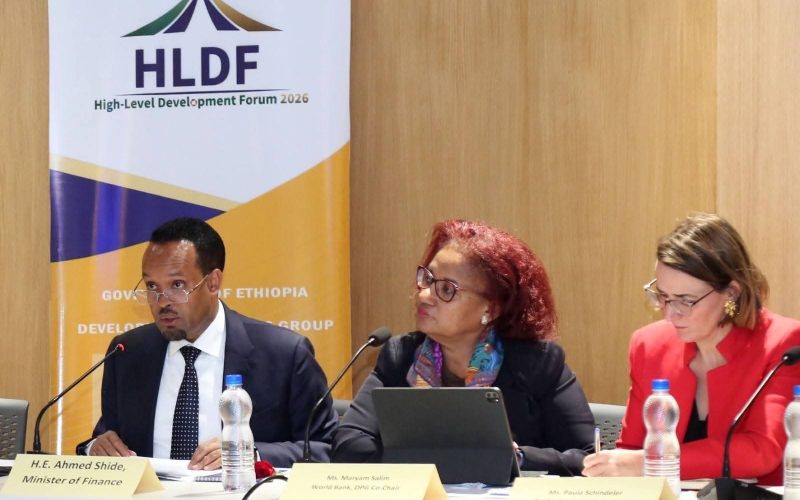
Ethiopia, Development Partners Reaffirm Alliance on Growth and Peace at High-Level Forum
The Ethiopian government and members of the Development Partners Group (DPG) have renewed their strategic partnership on inclusive growth, resilience, and sustainable peace following high-level talks in Addis Ababa.
The High-Level Development Forum (HLDF) brought together senior government officials, ambassadors, development agencies, and international financial institutions to align cooperation with Ethiopia’s national priorities at what officials described as a critical stage in the country’s reform efforts.
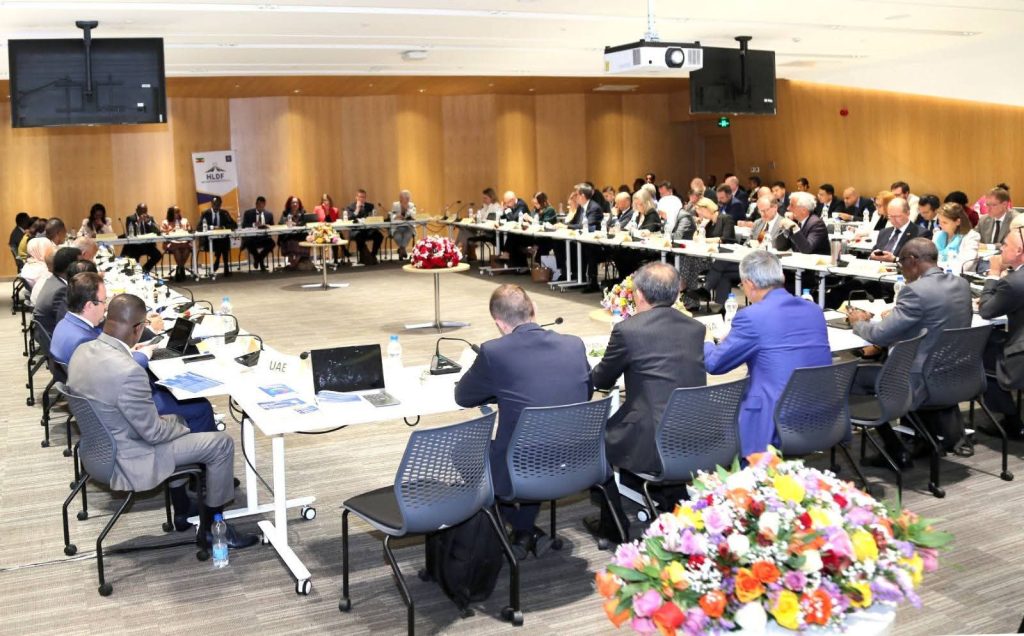
Discussions centered on two main pillars: inclusive and sustainable development, and the national dialogue and peacebuilding process.
Participants stressed the need for a results-driven partnership that supports Ethiopia’s structural and macroeconomic reforms while reinforcing peace initiatives.
Finance Minister Ahmed Shide said Ethiopia remains committed to implementing its reform agenda to achieve inclusive development and lasting peace.
He noted that the country’s real GDP growth averaged about seven percent over the past seven years, driven by the Ten-Year Development Plan and investments in agriculture, manufacturing, infrastructure, digital transformation, human capital, and green growth.
Planning and Development Minister Fitsum Assefa said Ethiopia recorded 9.2 percent economic growth in the 2024/25 fiscal year and projected expansion of 10.2 percent in 2025/26.
She emphasized that resilience, social cohesion, and national ownership are essential for sustainable development, and called for predictable and strategic international support.
Forum participants agreed that cooperation should align with national priorities, strengthen implementation capacity, and ensure predictable financing.
They described the HLDF as a key platform for coordination, transparency, and mutual accountability in pursuing the Sustainable Development Goals (SDGs).
Peacebuilding featured prominently in the discussions. Peace Minister Mohammed Edris characterized the national dialogue as a “national imperative,” outlining a peace agenda based on dialogue, disarmament, demobilization and reintegration (DDR), and transitional justice.
He also pointed to legal reforms aimed at expanding civic space and protecting freedom of expression.
“Partnership in peacebuilding is partnership in Ethiopia’s future,” he said.
Participants also highlighted governance reforms, rule of law, and civic participation as crucial to rebuilding trust and supporting recovery.
They called for stronger coordination across humanitarian, development, and peace efforts to address complex risks.
Foreign Affairs Minister Gedion Timothewos briefed attendees on Ethiopia’s preparations to host the COP32 climate conference in 2027, describing it as both an economic opportunity and a chance to advance Africa’s climate agenda while mobilizing investment in green and climate-resilient development.
The government urged development partners to provide multi-year, predictable support, increase the use of country systems, and strengthen reporting and accountability mechanisms.
The forum concluded with both sides reaffirming their commitment to a long-term partnership focused on measurable results to improve livelihoods, expand opportunities, and ensure inclusive development.
