
By Samuel Abate
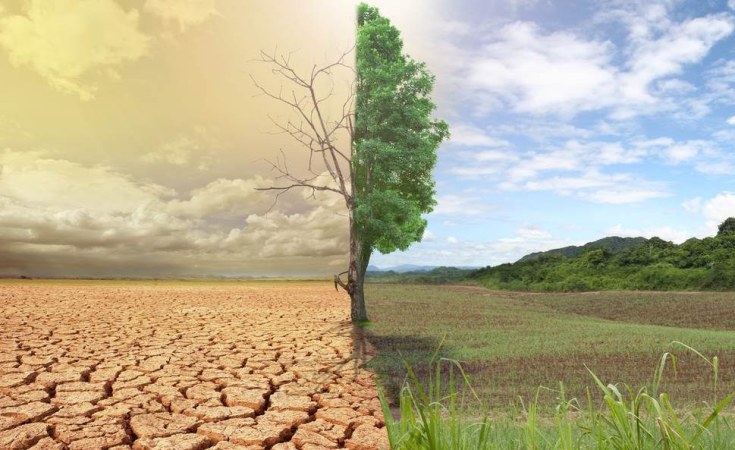
Ethiopia faces a significant environmental challenge, with 54 million hectares of its land classified as degraded, according to recent studies.
However, the country is making strides in reversing this damage, with 11 million hectares already restored and its forest cover reaching 23%.
In response to this pressing issue, Ethiopia’s House of People’s Representatives has approved a new proclamation aimed at establishing and managing a special fund dedicated to restoring degraded land and supporting green footprint initiatives.
The proclamation was developed following a study reviewed during a discussion held by the Standing Committee on Planning, Budget, and Finance Affairs.
The legislation addresses the urgent need for a permanent and institutionalized financial mechanism to support environmental restoration projects.
The proclamation aims to ensure the equitable allocation and mobilization of sustainable financial resources across all regions, fostering balanced development and environmental restoration efforts.
It also seeks to enhance Ethiopia’s capacity to secure international climate change funding, attract contributions from development partners, and benefit from carbon trading systems within the forestry sector.
Furthermore, the initiative aligns with Ethiopia’s national vision of building a sustainable, climate-resilient, and climate-neutral economy, underscoring the country’s commitment to addressing environmental challenges and promoting sustainable growth.
Ethiopia has demonstrated a strong commitment to reforestation and environmental restoration through its annual seedling-planting campaigns.
Over the past four years, billions of seedlings have been planted nationwide as part of this initiative.
Prime Minister Abiy Ahmed recently announced that 567 million seedlings were planted during the past summer alone.
Furthermore, Ethiopia reported earning $52 million from carbon sales this year, with projections to double this income if reforestation efforts continue at the current pace.
Despite these achievements, independent verification of the exact number of seedlings planted remains pending.
The newly approved proclamation is expected to enhance Ethiopia’s global standing in climate change initiatives.
By institutionalizing a special fund, Ethiopia aims to increase its appeal to international development partners and climate finance mechanisms.
The restoration efforts also align with global goals to combat deforestation, mitigate climate change, and promote sustainable development.
Ethiopia’s proactive steps underscore its commitment to restoring degraded land, fostering equitable resource distribution, and strengthening its climate-resilient economy.
These initiatives serve as a model for other nations grappling with similar environmental challenges.
