
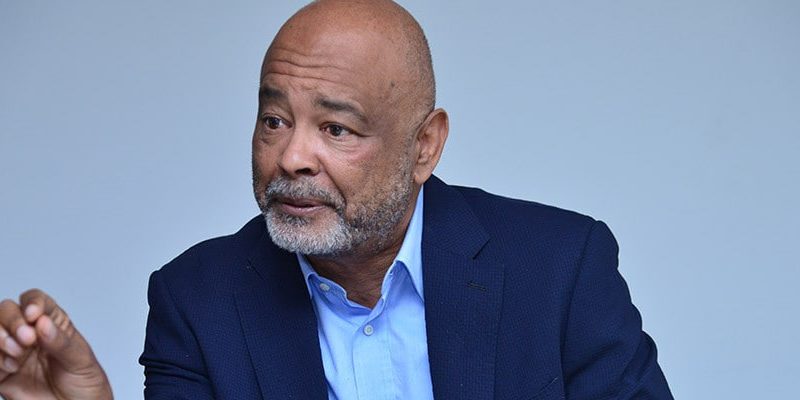
By Kebour Ghenna
First, they told us the people would own Ethio Telecom.
Then, when the first sale flopped – gathering only a fraction of the target – the story changed.
Now, they whisper that foreign investors will come, buy big chunks of the company, and, get this: they’ll pay taxes, so we’ll still “benefit.”
Nonsense.
Giving away ownership of your golden goose, just to hope you’ll collect a few eggs through taxes, is not strategy – it’s surrender.
It’s like selling your farm, then celebrating because you can now buy milk at the market.
Ownership matters. Control matters.
When you own Ethio Telecom, you own the profits, the future growth, the strategic leverage.
When you merely tax a foreign owner, you own nothing but uncertainty.
And taxes? They can be avoided, minimized, shifted abroad.
Big corporations are experts at it – Ethiopia won’t be the first government outsmarted.
Let’s be clear:
Selling off Ethio Telecom because the first modest public share offer didn’t go as planned is no reason to open the gates to foreign takeover.
It’s a reason to stop, reflect, and fix what needs fixing – not sell out.
The first sale failed because people were cautious – they didn’t trust the process, they feared no secondary market, they lacked liquidity, and they doubted the future.
And they were right.
If we now turn around and invite outsiders to scoop up our most valuable asset, it won’t be modernization.
It’ll be folly – and Ethiopia will pay for it long after today’s officials have moved on.
Why the First Sale Flopped – and Why That’s No Surprise
Ethio Telecom – a company worth 300 billion birr, profitable, expanding, and dominant – tried to raise 30 billion birr.
It raised just 3.2 billion.
Why?
Because you cannot sell a grand house when buyers are broke, uncertain, and distrustful of the property registry.
There was no secondary market.
No liquidity.
No credible regulatory framework.
No clear exit plan for small investors.
Only caps and restrictions – and a thick fog of uncertainty.
Add to that a population battered by inflation, conflict, currency depreciation, and an economy still reeling from shocks.
Savings are rare.
Trust is rarer.
The failure of the IPO was not because Ethiopians don’t believe in Ethio Telecom. It’s because they don’t trust that ownership will mean control, dividends, or even an exit strategy.
And now?
Instead of fixing these fundamentals – building transparency, regulation, liquidity – we’re being told to bring in foreign capital to “rescue” the company.
The very opposite of what we should be doing. Selling the Family Silver, Cheap
The IMF loves privatization.
They will tell you that selling off public assets is “necessary” for efficiency and growth. But let’s ask: for whose benefit?
Privatizing Ethio Telecom is not about empowering Ethiopian citizens. It’s about disempowering the Ethiopian state.
Once foreign investors own strategic infrastructure, the government loses control.
It loses the ability to manage prices, protect access, steer technological development, or even defend national security.
All that – given away – for the vague promise of tax revenues and “efficiency.”
Again, It’s like selling the engine of your car, then patting yourself on the back because you’ll save fuel.
The Real Danger: Dependency and Vulnerability
With Ethio Telecom gone, Ethiopia’s digital infrastructure – critical to finance, security, communications – would be in the hands of foreign investors.
They’ll be happy to maximize profits.
Less happy to protect national interests.
We’ve seen this play before.
Look at Argentina.
Look at Zambia.
Look at what happens when you give away control over your own economy – and become a tenant in your own house.
Today, Ethio Telecom’s revenues fund the government. Tomorrow, if privatized, those profits will line shareholders’ pockets in New York, London, and Dubai.
Sure, they’ll pay a little tax.
Maybe.
Sometimes.
If they feel like it.
And when the next crisis hits, Ethiopia won’t own its lifeline.
It’ll be paying rent on it.
The Smarter Path: Reform, Not Sell-Off
Instead of handing Ethio Telecom over to foreign firms, Ethiopia should:
• Strengthen governance and transparency inside the company.
• List shares properly on the Ethiopian Securities Exchange (if and when it flies), with real liquidity and market-making support.
• Allow broader, phased citizen participation – with state guarantees protecting small investors.
• Develop a genuine secondary market where shares can be bought and sold openly and fairly.
• Keep strategic control firmly in Ethiopian hands.
Build trust, build markets, build institutions.
Don’t sell off the golden goose because the first auction was rushed and badly designed.
Ethiopia doesn’t need to repeat the mistakes of others.
It has a chance to protect its future by holding onto its crown jewels – not forfeit them for a short-term payday.
Editor’s note: – views in the article reflect the views of the writer only!!
