
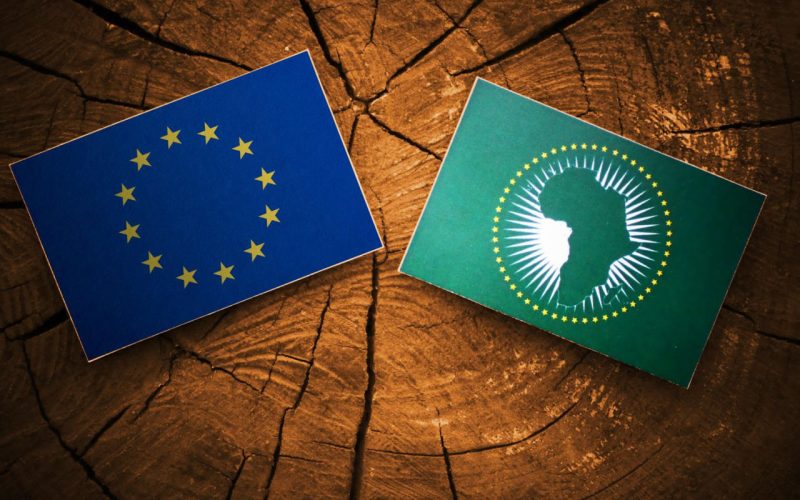
A new initiative under the AFRICA–EUROPE PARTNERSHIPS FOR CULTURE programme is introducing innovative forms of cultural collaboration between Sub-Saharan Africa and Europe.
Known as the Sub-Saharan Component, this ambitious effort is part of a larger €30 million cultural cooperation programme funded by the European Union.
With a dedicated budget of €8 million over a 42-month period, the initiative aims to reshape intercultural relations by promoting equal partnership, co-creation, and African leadership in all programme activities.
The Sub-Saharan Component is designed to prioritize African perspectives and leadership, establishing shared responsibility between African and European cultural actors in decision-making, resource distribution, and creative direction.
Operating across countries in Sub-Saharan Africa and Europe, the programme supports artists and cultural professionals while expanding the reach of African cultural content.
The initiative focuses on four strategic areas. First, it promotes artist mobility through both intra-African and Africa-Europe exchanges, aiming to strengthen regional networks and build sustainable international partnerships.
Second, it supports the development of arts and culture spaces by enhancing the capacities of cultural institutions to serve as platforms for creation, co-production, and critical discourse.
Third, it emphasizes cooperation in the performing arts by backing projects led by Euro-African tandems, organizing professional meetings, and enabling the touring of African productions.
Lastly, it fosters visual arts connectivity through co-creation, discourse development, and documentation efforts to improve global visibility of African art.
Philina Wittke, Project Lead at the Goethe-Institut, emphasized the significance of the programme’s approach, stating, “We are establishing partnerships where African cultural stakeholders drive their own internationalization strategies whilst European partners contribute as equals in a genuine dialogue of mutual learning and respect.”
The initiative stands out for its unique methodology. It promotes equal decision-making authority between African and European partners, conducts activities in English, French, Portuguese, and local African languages without linguistic hierarchy, and ensures that all projects are based on mutual collaboration rather than one-sided cultural transfer.
Furthermore, the programme has a strong commitment to gender equality, targeting at least 50% female participation across all activities.
Under the theme “Connect and Create,” the Sub-Saharan Component also seeks to strengthen the economic role of cultural and creative industries (CCIs) as drivers of employment, innovation, and wealth.
Specific goals include expanding market access for African artists, enhancing intra-African cultural commerce, offering training in cultural management and digital marketing, and developing sustainable networks and co-production models that preserve cultural authenticity while meeting international standards.
The Sub-Saharan Component is part of a broader initiative that also includes two other regional programmes. One focuses on heritage narratives in Southern Africa—covering Botswana, Eswatini, Lesotho, Namibia, South Africa, and Zimbabwe—and their connections with Europe.
The other supports the internationalization of festivals and capacity building across 15 West African countries, including Nigeria, Ghana, Senegal, and Côte d’Ivoire.
Together, these components ensure comprehensive coverage across the African continent while respecting regional diversity and avoiding duplication.
The Sub-Saharan Component is being implemented through a strategic partnership between the Goethe-Institut, Expertise France, and Institut français, with EU funding provided through the NDICI–Global Europe instrument.
This setup allows the programme to be deployed effectively across multiple countries while remaining sensitive to local cultural contexts and partnership priorities.
