
The Ethiopian Wildlife Conservation Authority (EWCA) has raised concerns over the growing threat of illegal wildlife trafficking, identifying it as a major challenge facing the country’s rich biodiversity.
According to Daniel Paulos, a senior expert on wildlife trafficking at the EWCA, wild animals in Ethiopia are frequently smuggled across borders for various purposes, including private ownership, exotic pet trade, and display in foreign zoos.
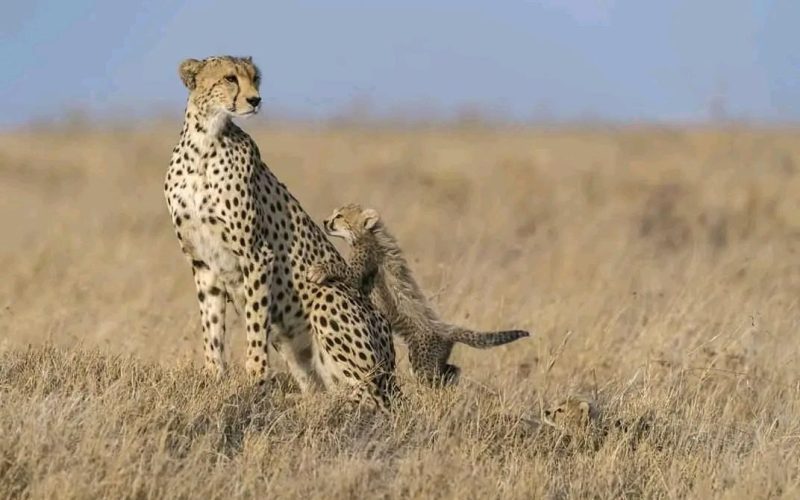
Among the most trafficked species is the cheetah, particularly those found in the Somali region of eastern Ethiopia.
Mr. Daniel explained that local communities, using rudimentary methods, are capturing cheetahs and selling them to traders in Somaliland.
From there, the animals are transported illegally to Middle Eastern countries, including various Arab nations.
These cheetahs are often bought by wealthy individuals who own private zoos and exotic animal collections.
Evidence suggests that many of the cheetahs currently found in Arab countries originated from the Horn of Africa, especially Ethiopia.
To curb this illegal trade, Ethiopian authorities have launched a crackdown, deploying sniffer dogs and enforcement units to monitor and intercept trafficking networks.
These operations aim to protect endangered species and ensure that the country can sustainably benefit from its wildlife resources.
In addition to cheetahs, other iconic species like lions and the endangered Walia ibex are under threat due to illegal hunting and habitat loss.
Authorities warn that continued poaching could push these animals closer to extinction.
Ethiopia classifies its wildlife into two categories: species permitted for legal hunting under strict regulation, and those fully protected by law.
A total of 54 wild animal species, including lions, leopards, and mountain goats, are allowed to be hunted through licensed operations.
In contrast, 48 species—including elephants, Ethiopian wolves, and hyenas—are fully protected and cannot be hunted.
To regulate legal hunting, Ethiopia has set fees ranging from a minimum of $50 to a maximum of $15,000 depending on the species.
For instance, hunting a lion requires a payment of $4,500 due to its status as an endangered species.
The EWCA emphasized that greater awareness, enforcement, and international cooperation are essential to halt illegal wildlife trafficking and preserve Ethiopia’s natural heritage.
