
From Addis to Belém: Africa Prepares for COP30
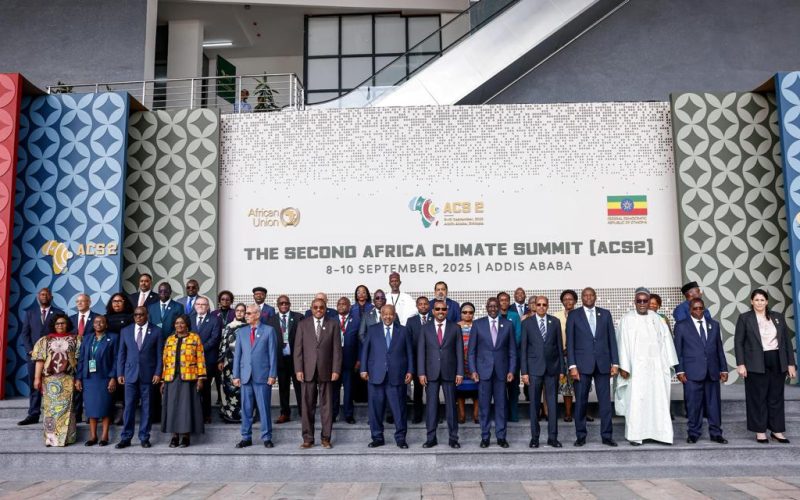
The second African Climate Summit, held over the past three days in Addis Ababa, has officially concluded.
The high-level conference brought together African leaders, environmental experts, representatives from international institutions, and other key stakeholders to address the pressing challenges and opportunities related to climate change on the continent.
In his keynote address at the summit, President Taye Atsekeslassie emphasized that “Africa’s opportunity is in our hands.”
He highlighted the importance of African-led solutions to climate issues and underscored the significance of collaboration, innovation, and investment in the continent’s sustainable future.
President Taye noted that the summit served not only as a platform to deliberate on Africa’s climate conditions but also as an important venue for sharing knowledge, forging bilateral and multilateral partnerships, and exploring practical solutions.
He stressed that Africa should not rely on external generosity to address the damage caused by climate change, but instead should focus on proactive measures to build resilience.
In particular, the President called for greater investment in renewable energy infrastructure, citing the Grand Ethiopian Renaissance Dam (GERD) as a prime example of Africa’s potential to lead in green energy development.
He urged African nations to prioritize infrastructure projects that align with climate goals and long-term sustainability.
President Taye also pointed to the continent’s abundance of valuable minerals that are increasingly in demand worldwide.
He emphasized the need for responsible management and conservation of Africa’s natural resources to ensure they benefit local communities and future generations.
A key topic of discussion at the summit was Africa’s collective strategy for representing its climate interests at the upcoming 30th United Nations Climate Change Conference (COP30), which will be held in Belém, Brazil, in two months.
Delegates discussed how to present a unified voice and advocate for fair treatment and support in global climate negotiations.
The African Climate Summit, which ran from September 8–10, 2025, focused on climate change mitigation, adaptation strategies, and exploring alternative solutions tailored to the African context.
In light of the successful hosting of the summit, Ethiopia has also expressed its interest in hosting the 31th United Nations Climate Change Conference (COP31), further positioning Addis Ababa as a hub for international climate diplomacy.
