
ICRC Delivers Urgent Medical Aid and Visits Detainees Amid Intensified Clashes in Amhara Region
The International Committee of the Red Cross (ICRC) has stepped up its humanitarian response in Ethiopia’s Amhara region, where escalating clashes between government forces and the Amhara Fano armed group have led to a deepening humanitarian crisis.
According to a statement released by the ICRC, its teams have delivered essential medical supplies, evacuated wounded individuals, and visited detainees in areas affected by the recent surge in violence, particularly in North Wollo Zone.
The region has witnessed renewed fighting since late September, resulting in high casualties and worsening conditions for civilians.
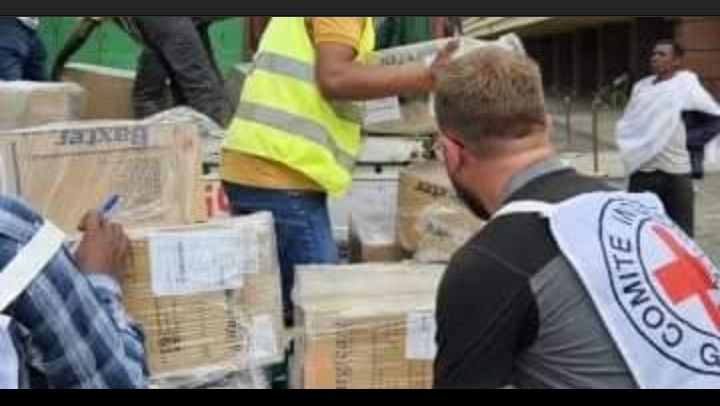
Over the past week, ICRC teams were deployed to Lalibela and Woldiya towns, where they supplied six health facilities with medicines and surgical materials sufficient to treat around 250 severely wounded people.
On October 8, the organization evacuated 16 critically injured individuals who had been handed over by the Amhara Fano to ICRC personnel across the front line.
The wounded were then transferred to government forces in Woldiya for medical treatment.
“Many people have been killed or wounded in North Wollo in recent days,” said Martin Thalmann, ICRC’s team leader in Lalibela.
“Health workers are caring for wounded soldiers and civilians with limited resources.
Sixteen critically injured detainees needed urgent evacuation for surgery, and for five of them, it was a matter of hours to save their lives.”
ICRC staff also visited detainees held by the Amhara Fano to assess their conditions and treatment and to help them reconnect with their families.
The visit, conducted in a remote part of North Wollo, involved six ICRC delegates and was carried out under the organization’s established global procedures for detention visits.
In addition to emergency evacuations, the ICRC distributed medical supplies and medicines to hospitals and health centers in Woldiya, Kulmesk, Muja, Kobo, and Tekulashe, with further support planned for Lalibela’s hospital.
The organization noted that many communities in the most affected areas are cut off from basic services due to insecurity.
“Communities in the most affected areas shouldn’t be forgotten,” Thalmann emphasized.
“People in remote areas have little access to health care, education, or transport.
Many are unable to go to markets or harvest their crops, and some have fled their homes.”
The ICRC called on all parties involved in the conflict to respect international humanitarian law, which protects civilians and those who are no longer participating in hostilities, including the wounded and detainees.
The organization reaffirmed its commitment to continue its emergency response in North Wollo and other parts of Amhara.
It also announced plans to enhance support for Woldiya hospital, including physical rehabilitation services for severely wounded patients, and expressed its readiness to act as a neutral intermediary in future detainee releases or other cross-frontline humanitarian operations.
