
GAIA and BFFP Africa Highlights Gender Impacts of Plastic Pollution on International Women’s Day
Global Alliance for Incinerator Alternatives (GAIA) and Break Free From Plastic (BFFP) Africa have called for stronger global action to address plastic pollution, warning that the crisis poses serious threats to human health and the environment while disproportionately affecting women and girls.
The organizations made the call during a high-level webinar held on March 9, 2026, to mark International Women’s Day. The event focused on the gender injustices linked to plastic pollution and highlighted the key role women play in promoting sustainable, plastic-free communities across Africa and globally.
Plastic pollution has become an escalating global concern as production continues to rise. According to research cited during the discussion, plastics may contain more than 16,000 different chemicals, including at least 4,200 considered highly hazardous. Scientists have also found microplastics in human organs and tissues, including lungs, blood, placental tissues and breast milk, raising alarm about long-term health risks.
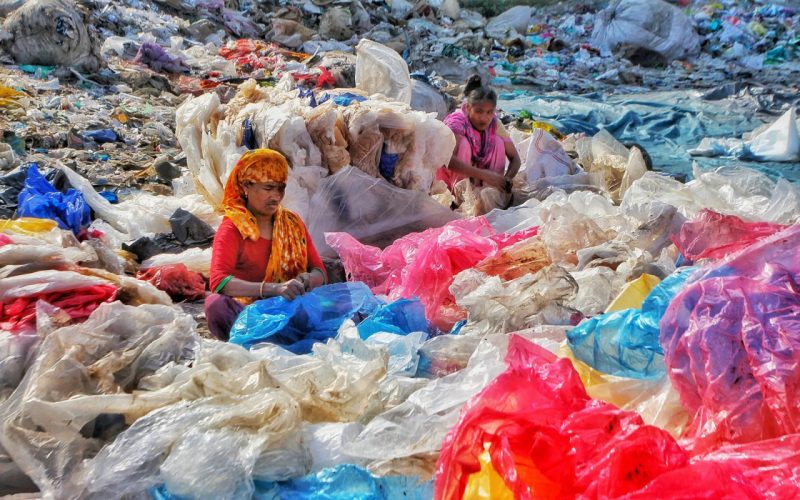
Speakers at the webinar emphasized that women often bear a disproportionate share of the burden caused by plastic pollution. These impacts range from health risks related to toxic chemicals to increased care responsibilities and challenging labour conditions in waste management and recycling sectors.
Women, however, are also leading community-based solutions aimed at reducing plastic waste. Across many African communities, grassroots initiatives led by women are promoting zero-waste practices such as waste collection and sorting systems, reuse models and sustainable resource management.
Azeeza Rangunwala, Africa Coordinator of the Global Green Healthy Hospitals programme at groundWork South Africa, warned that the health impacts of plastics on women’s bodies are often overlooked.
“The health impacts of plastics on women’s bodies are a form of slow violence,” Rangunwala said, adding that these effects can manifest through diseases such as cancer and through the dismissal of women’s health concerns, particularly related to reproductive health.
Semia Gharbi, founder and chair of the Association of Environmental Education for Future Generations and a 2025 Goldman Environmental Prize winner, highlighted the chemical exposure linked to everyday consumer products.
“The average woman uses nine personal care products a day, containing more than 100 unique ingredients, including some that are linked to cancer and reproductive harm,” she said, urging consumers to be more aware of product ingredients.
Participants also stressed the importance of integrating gender considerations into ongoing negotiations toward a global plastics treaty. Dalia Márquez, co-coordinator of the UNEP Women’s Major Group, said any treaty must be both gender-responsive and rights-based to be effective.
“A Global Plastics Treaty that is not gender-responsive will not be effective, and a treaty that is not rights-based will not be just,” Márquez said.
Speakers also drew attention to the challenges faced by women working in the informal waste sector. Boniswa Phelani of the South Africa Waste Pickers Association said women make up the majority of waste pickers but remain among the most marginalized workers.
“Beyond the work we do as waste pickers, we are also women with families,” Phelani said, noting that many women balance waste collection with household responsibilities.
Tening Cissé, partnerships manager at adansonia.green, highlighted the environmental impact of menstrual products, stating that a person who menstruates may use between 8,000 and 15,000 products in their lifetime, generating significant waste.
She said transitioning to more sustainable alternatives and reuse systems will require women’s leadership and participation.
With another round of negotiations for a global plastics treaty expected in the near future, GAIA and BFFP Africa said they will continue advocating for solutions that address both environmental and social dimensions of the plastic crisis.
The organizations stressed that empowering women and strengthening grassroots leadership will be essential to achieving lasting solutions to plastic pollution and building a more sustainable future.
