
Security Concerns Halt Voting at 143 Polling Stations
The National Election Board of Ethiopia (NEBE) has announced that voting did not commence in 143 polling stations across the country due to security-related challenges as Ethiopians headed to the polls on Monday for the Seventh National Election.
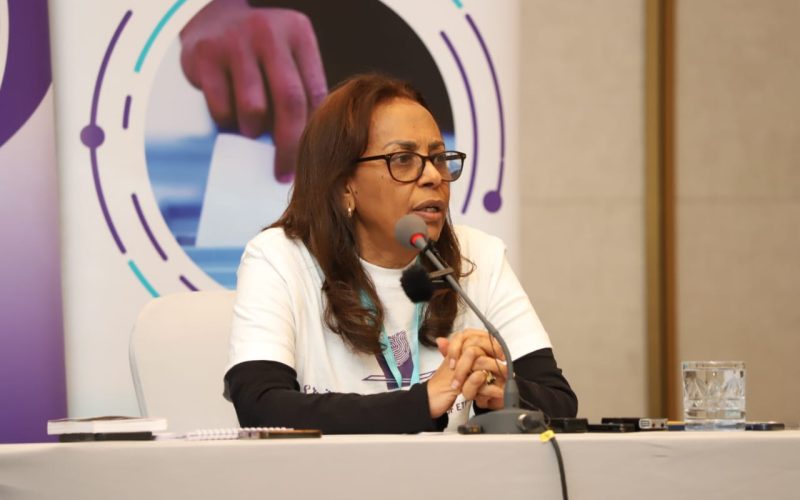
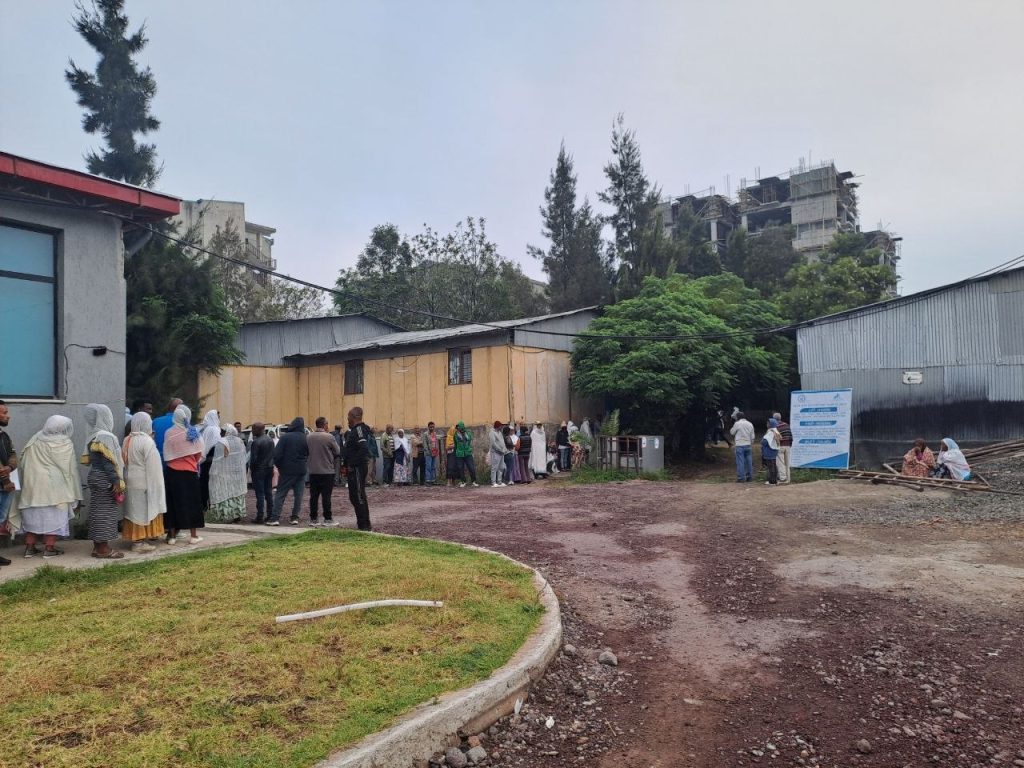
Speaking at a press briefing on June 1, 2026, Chief Electoral Officer Melatework Hailu said that 50,188 polling stations opened on schedule, while 695 polling stations began operations between 6:30 a.m. and 7:00 a.m.
According to the Board, all election materials had been distributed to polling stations by 6:00 p.m. on the eve of the election.
Melatework reported that election observers were present at 39,723 polling stations, while representatives of political parties and domestic observers were deployed to 41,978 polling stations nationwide.
However, she noted that voting was unable to start in 143 polling stations due to security concerns. In addition, voting was temporarily suspended at several polling stations in parts of the Amhara and Oromia regions after the process had already begun.
The affected areas include Bilonopa, Mekdela, Kersa, Kutaber, and other locations where security incidents were reported. The Chief Electoral Officer did not specify the exact number of polling stations where voting was later suspended.
She also disclosed that communication challenges had hindered election monitoring efforts in some parts of the country. Due to telecommunications network disruptions, the Board was unable to obtain information from the Sedal constituency in the Benishangul-Gumuz Region and the Zelmam area in the South West Ethiopia Region.
In a separate incident, a polling station official assigned to Enemor constituency in the Central Ethiopia Region died in a motorcycle accident while carrying out election-related duties. The Board expressed its condolences to the family of the deceased official.
Melatework also apologized to voters who experienced difficulties related to the issuance of digital voter identification cards, acknowledging that the new system had caused inconveniences in some locations.
Prime Minister and Prosperity Party President Abiy Ahmed cast his vote in Beshasha, Goma District, in the Jimma Zone of Oromia Regional State.
Speaking to journalists after voting, the Prime Minister said addressing Ethiopia’s security challenges would remain a priority regardless of the election outcome.
“Resolving the security problem is an issue that my party will work on whether it is elected or not,” he said.
Abiy stressed that lasting peace requires the collective efforts of all political actors and communities. He noted that significant efforts had been made in recent years to facilitate the return of internally displaced people and secure the release of prisoners.
“Peace should not be viewed as a government project alone,” he said, calling on all stakeholders to participate in national reconciliation efforts.
The Prime Minister also alleged that various groups had attempted to disrupt the electoral process through propaganda and other activities aimed at undermining public confidence in democratic elections.
“A lot has been done to disrupt this election,” he said. “Whether we are elected or not, we will continue working together for peace.”
Abiy expressed optimism about Ethiopia’s future, stating that the coming five years could mark a period of major transformation for the country.
“These five years will witness important historical turning points for Ethiopia,” he said, adding that substantial work remains to build a self-reliant nation capable of sustaining its own development.
Voting also took place in other parts of the country outside the Tigray Region.
Several senior government officials cast their ballots during the morning hours, including Deputy Prime Minister Temesgen Tiruneh in Bahir Dar, President Taye Atske Selassie in Addis Ababa’s Arada Sub-City, and Addis Ababa Mayor Adanech Abiebie in Lideta Sub-City.
International election observers from the African Union (AU) and the Intergovernmental Authority on Development (IGAD) are monitoring the electoral process.
The African Union said its observer mission, led by former Kenyan President Uhuru Kenyatta, has already deployed teams in Addis Ababa and other parts of Ethiopia to observe voting and assess the conduct of the election.
According to the AU, the short-term observer mission consists of 73 observers drawn from 37 countries, with women accounting for 61 percent of the delegation.
The Seventh National Election is being held across much of Ethiopia as millions of eligible voters cast ballots to elect representatives at federal and regional levels.
