
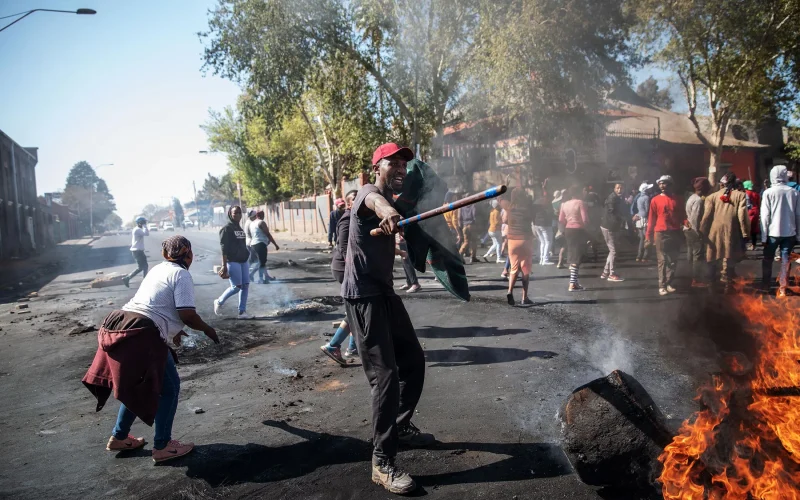
South Africa has rejected claims made by World Health Organization (WHO) Director-General Dr. Tedros Adhanom Ghebreyesus that recent xenophobic violence in the country killed Ethiopian and Mozambican nationals and displaced thousands of foreign residents.
In a social media statement posted on June 14, Dr. Tedros described the situation as “profoundly heartbreaking,” saying that renewed xenophobic attacks had led to deaths, mass displacement, and widespread fear among migrant communities.
He stated that at least five Ethiopians had been killed in earlier attacks and five Mozambicans had died in Mossel Bay.
He also criticized the violence as a betrayal of the African solidarity that helped South Africa overcome apartheid, noting Ethiopia’s historic support for Nelson Mandela during the anti-apartheid struggle. Dr. Tedros urged authorities and citizens to address grievances through the rule of law rather than vigilante violence and collective punishment.
However, South Africa’s government disputed his characterization of the incidents. The Department of International Relations and Cooperation (DIRCO) said it would engage with the WHO to correct what it called inaccurate information regarding the deaths.
According to the government, the deaths of the Ethiopian nationals were linked to organized criminal activities rather than xenophobic attacks, while investigations into the deaths of Mozambican nationals remain ongoing.
The South African Presidency also cautioned against the spread of misinformation surrounding the country’s migration challenges, while emphasizing that the loss of any life was tragic and unacceptable.
Despite the disagreement over the circumstances of some deaths, South African Justice Minister Mmamoloko Kubayi acknowledged that attacks and hostility toward foreign nationals were damaging the country’s international reputation and called on citizens to reject vigilantism, saying immigration-related concerns should be handled through lawful government processes.
The latest unrest has prompted concern across Africa, with some neighboring countries organizing the voluntary return of their citizens from South Africa amid fears over their safety.
