
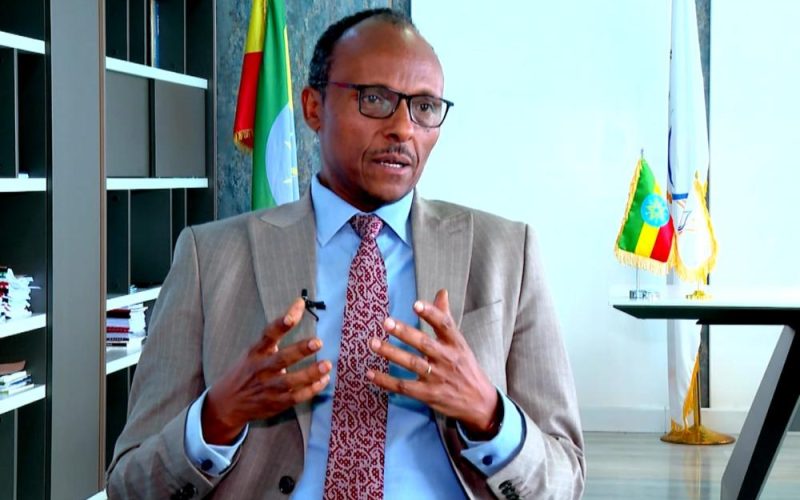
Ethiopia has cancelled or suspended at least 22 development projects over the years due to pressure and lobbying by Egypt, Minister of Water and Energy Habtamu Ittefa has said.
Speaking to the Ethiopian News Agency (ENA), the minister said Egypt had used diplomatic and international lobbying efforts to prevent Ethiopia from implementing several projects, potentially costing the country significant development opportunities.
Habtamu argued that implementing the projects on time could have helped Ethiopia mitigate the effects of drought and prevent the loss of human lives.
He said the government had established a National Damage and Compensation Committee to assess the consequences of Egypt’s actions. The committee comprises legal experts and operates based on international experience, he added.
According to the minister, the committee is consulting relevant institutions across the country, with further details expected to be announced after the discussions are completed.
Habtamu warned that Egypt would eventually face consequences for its efforts to obstruct Ethiopia’s development projects, although he did not specify what form those consequences might take.
He also accused Egypt of undermining international support for the construction of the Grand Ethiopian Renaissance Dam (GERD), saying its actions had contributed to delays and tensions surrounding the project.
The minister expressed confidence that the committee’s work would produce results and help address what he described as the damage caused by Egypt’s interference.
Regarding Egypt’s recent efforts to renew the 1959 Nile Waters Agreement, signed by Egypt and Sudan, Habtamu dismissed the move as ineffective, arguing that it would not change the realities surrounding the Nile’s use.
The 1959 agreement allocated the Nile’s water between Egypt and Sudan without involving upstream countries, including Ethiopia, which has consistently rejected arrangements that exclude other Nile Basin states.
Habtamu also criticized the Sudanese military authorities’ cooperation with Egypt on Nile-related issues, arguing that such cooperation does not serve Sudan’s national interests.
He said Ethiopia could contribute to Sudan’s recovery and regional economic cooperation by supporting peace efforts and developing joint infrastructure.
Connecting dams in the two countries through roads, he added, could create opportunities for irrigation, tourism and other economic activities.
Ethiopia and Egypt have been locked in a decades-long dispute over the utilization of the Nile River, particularly following Ethiopia’s construction of the Grand Ethiopian Renaissance Dam on the Blue Nile.
The approximately $5 billion dam, Africa’s largest hydropower project, is designed to generate electricity for domestic consumption and exports to neighboring countries.
Ethiopia maintains that the dam is essential for its economic development and has the right to utilize the Nile’s resources, noting that the Blue Nile contributes approximately 85 percent of the river’s water flow.
Egypt, which depends heavily on the Nile for its water supply, has repeatedly expressed concerns that the dam could affect its downstream water security.
The dispute has been the subject of several rounds of negotiations and diplomatic engagements, including discussions at the United Nations Security Council.
However, efforts to reach a comprehensive agreement on the dam’s operation and water-sharing arrangements have yet to produce a lasting settlement.
US President Donald Trump has also repeatedly expressed interest in facilitating negotiations between Ethiopia, Egypt and Sudan over the dispute, although a new round of talks has yet to begin.
