
By Samuel Abate
Ethiopia Drafts Law to Ban Single-Use Plastic Products
Ethiopia is taking a significant step towards environmental protection by drafting a law to ban the import of single-use plastic products.
The Council of Ministers, under the leadership of Prime Minister Abiy Ahmed, recently discussed and approved the draft law, which has now been referred to the House of People’s Representatives for further deliberation and approval.
This legislation is part of Ethiopia’s broader efforts to regulate solid waste management, encompassing the collection, transportation, storage, reuse, recycling, and disposal of waste.
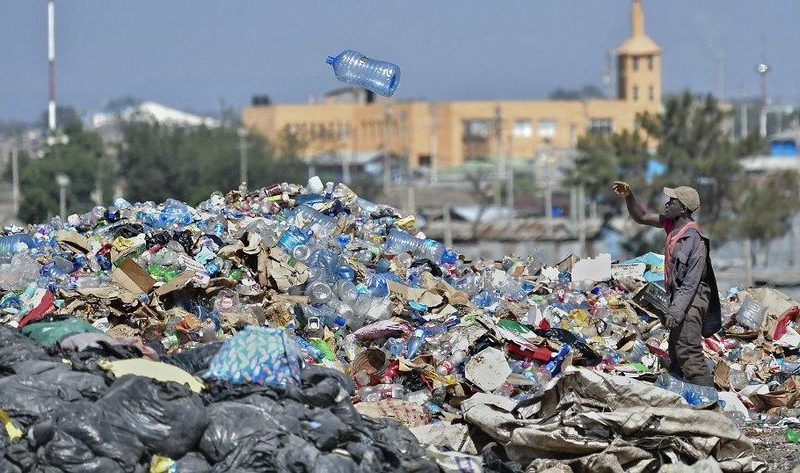
According to the Prime Minister’s Office, the proposed law seeks to curb the environmental and health hazards posed by plastic waste, aligning with the citizens’ right to live in a clean and healthy environment.
Leliss Neme, the Director General of the Ethiopian Environmental Protection Authority, highlighted the importance of this law in mitigating the negative impacts of plastic products on public health and the environment. Once implemented, the legislation is expected to significantly reduce plastic pollution across the country.
“Ethiopia’s draft law banning single-use plastics is a critical move towards addressing the country’s mounting environmental challenges” she added.
By implementing stricter regulations and promoting sustainable practices, Ethiopia aims to balance its economic growth with environmental preservation.
The approval and enforcement of this law will not only safeguard public health but also contribute to global efforts to combat plastic pollution.
The demand for plastic products in Ethiopia has been steadily increasing. On average, an Ethiopian citizen uses up to 4 kilograms of plastic annually.
A study conducted by the non-governmental organization Plastic Pack Ethiopia (PPE) revealed that the use of plastic products in the country is growing by an alarming rate of 11% per year.
Back in 2007, the average Ethiopian consumed less than one kilogram of plastic per year. By 2022, this figure had risen to 3 kilograms, with Addis Ababa leading in consumption, where each resident uses up to 7 kilograms annually.
Ethiopia is heavily reliant on imported raw materials for plastic production, sourcing approximately 224 kilotons of plastic raw materials annually from regions such as the Middle East, Asia, and Europe.
This reliance underscores the urgency of finding sustainable solutions to reduce plastic consumption and improve waste management practices.
Ethiopia has emerged as one of the largest investors in plastics technology in East and Central Africa.
In 2021, the country imported plastics technology worth €25 million, making it one of the top two importers in the region.
With an impressive average annual growth rate of 9.6% in plastics technology imports between 2012 and 2021, Ethiopia is also the continent’s fastest-growing market in this sector.
The demand for printing and paper-converting technology is also expanding rapidly, with a 7.4% annual growth rate recorded between 2016 and 2021.
This growth is driven by Ethiopia’s increasing population, projected to soar from 120 million today to 200 million by 2050, according to United Nations estimates.
