
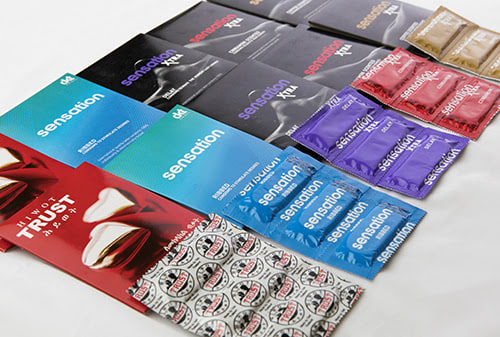
USAID budget suspension exacerbates the shortages of Condoms in Ethiopia
Ethiopia is currently facing a severe condom shortage, which has been worsened by the suspension of funding from the United States Agency for International Development (USAID).
This shortage has led to increased challenges in HIV prevention efforts and is putting vulnerable populations at greater risk.
Private drug importers are now being urged to step in and address the growing condom shortage in the country.
Although the government and humanitarian organizations distribute an estimated 90 million condoms annually, the country’s annual demand is around 270 million.
This significant gap is exacerbated by the suspension of USAID’s support, which has traditionally supplied a large portion of the condoms provided to Ethiopia.
Previously, condoms were available for free through various health programs and were occasionally sold at very low prices in retail outlets.
However, with the ongoing shortage, the price of a condom has surged, now averaging 50 birr. In regional cities like Gambella, reports indicate that the price of a single condom has skyrocketed to as much as 250 birr, further restricting access to this vital resource.
The AIDS Healthcare Foundation (AHF), an organization actively working in Ethiopia to combat HIV, has expressed concern that the shortage is severely hampering HIV prevention efforts.
According to Mr. Tolosa Olana, the AHF’s Prevention and Africa Union Liaison and Advocacy Manager, the decline in condom use poses a major challenge to ongoing HIV prevention campaigns.
In response to the crisis, AHF has partnered with Ethiopia’s Ministry of Health to allow private drug importers to help fill the gap in condom distribution.
Mr. Olana noted that the government’s recent macroeconomic reforms, which include a 50% tax cut on condoms introduced in July of last year, have created an opportunity for the private sector to enter the market and help alleviate the shortage.
However, there are growing fears that if the shortage persists, HIV cases could rise, particularly among young women, who are at a higher risk of contracting the virus.
Moreover, concerns have been raised about the reduction of free condom distribution in institutions such as universities, workplaces, and training centers, where many people rely on this resource for prevention.
The suspension of USAID funding has also had a significant impact on Ethiopia’s civil society sector.
The Ethiopian Civil Society Organizations Council, which represents over 5,000 civil society groups in the country, has warned that the decision could have dire consequences.
Ahmed Hussein, the president of the Council, emphasized that the sudden suspension of USAID support is exacerbating the challenges faced by organizations working on vital health, peace, and social development projects.
According to Mr. Hussein, many civil society organizations have been forced to lay off employees, halt ongoing projects, and even shut down operations due to the loss of funding.
He stated that up to 150 organizations that had been receiving USAID support have had to make these difficult decisions.
The suddenness of the funding suspension has created uncertainty and disruption in the work of civil society groups that were planning and executing critical initiatives.
Mr. Hussein also stressed the need for additional diplomatic and financial support from the government to mitigate the damage caused by the suspension.
He argued that the ongoing conflict in the country makes it even more crucial for international partners to continue supporting Ethiopia’s civil society sector, as the lack of aid could further destabilize efforts to address pressing social and health issues.
According to data, more than 85 civil society organizations in Ethiopia have ceased their activities due to the abrupt cessation of USAID funding.
Over 85% of civil society organizations in the country rely heavily on USAID support, and many are struggling to cover basic operational costs such as rent and employee salaries.
The impact of this funding suspension is expected to be felt across various sectors, with crucial projects in peacebuilding, health, and social development now at risk of being abandoned.
The suspension of USAID funding, coupled with the condom shortage, has compounded Ethiopia’s challenges in addressing the HIV epidemic and other critical social issues.
With many organizations unable to continue their work, there are growing concerns that the country’s ability to combat HIV and protect vulnerable populations will be severely hindered.
