
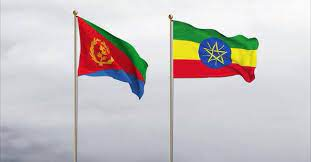
Ethiopia and Eritrea Rank Among World’s Least Peaceful Nations, 2025 Global Peace Index Reveals
Ethiopia and Eritrea have been ranked among the least peaceful countries in the world, according to the 2025 Global Peace Index (GPI), a report published by the European Union in collaboration with the Institute for Economic and Peace Research (IEPR).
The index, which evaluates the peacefulness of 163 nations, highlights significant security and stability challenges in both countries.
The latest rankings place Ethiopia 125th and Eritrea 132nd out of 163 countries worldwide. On a continental scale, Ethiopia holds the 36th position, while Eritrea stands at 32nd out of the 44 African nations assessed. These low scores underscore ongoing political instability, civil conflict, and human rights concerns in both nations.
The Global Peace Index is an annual measure of peace, security, and stability across the world. It relies on 23 indicators, including internal and external conflicts, levels of societal safety, and the extent of militarization.
The 2025 report highlights that 97 countries experienced a decline in peacefulness over the past year, with Sub-Saharan Africa showing one of the sharpest deteriorations.
Iceland retained its position as the world’s most peaceful country, while Mauritius ranked highest in Africa at 26th, followed by Botswana, Namibia, and The Gambia.
The report attributes Ethiopia’s poor performance to the lingering effects of the civil war that erupted in November 2020 in the northern Tigray region.
Despite the signing of the Pretoria Agreement in 2022, which officially ended the conflict between federal forces and the Tigray People’s Liberation Front (TPLF), peace has remained fragile.
The war left behind a trail of destruction, mass displacement, and a severe humanitarian crisis. Millions were forced to flee their homes, while infrastructure damage, food shortages, and limited access to healthcare continue to impact affected communities.
Instability has not been confined to the north. Violent clashes in Oromia and Amhara regions have compounded Ethiopia’s security challenges, creating an environment of mistrust between ethnic and political groups.
According to the report, these conflicts have significantly undermined efforts to restore long-term stability.While the Ethiopian government has made attempts at peace-building—including ceasefire agreements and negotiation initiatives—IEPR notes that these efforts remain incomplete.
Political divisions, lack of effective reconciliation mechanisms, and regional grievances continue to fuel unrest.
Eritrea’s low ranking stems from decades of authoritarian governance, systemic human rights violations, and minimal political freedoms.
The report highlights ongoing issues such as forced military conscription, arbitrary detention, and strict control over civil liberties.
Eritrea’s involvement in the Ethiopian civil war, where it supported federal forces, further contributed to its poor peace score.
Although Eritrea and Ethiopia signed a peace agreement in 2018 to end long-standing border disputes, relations have cooled since the Pretoria Agreement, with lingering regional tensions threatening future stability.
The report also criticizes Eritrea’s isolationist policies and limited engagement with the international community.
These factors, combined with internal repression, have prevented meaningful progress toward democratic reforms and economic openness.
Across Sub-Saharan Africa, peace has declined overall, with half of the countries recording worsening scores. The average peace score for the region dropped by 0.17 percentage points compared to last year, reflecting rising instability, political crises, and insurgencies.
Mauritius emerged as Africa’s most peaceful nation, followed by Botswana, Namibia, and The Gambia—countries praised for their political stability, relatively low levels of conflict, and commitment to democratic governance.
Globally, the 2025 GPI paints a concerning picture, with nearly 60% of nations showing a decline in peacefulness.
Analysts warn that conflict-driven humanitarian crises, combined with weak governance and economic pressures, may further destabilize fragile states.
For Ethiopia and Eritrea, the findings emphasize the urgent need for inclusive political dialogue, human rights reforms, and sustained peacebuilding initiatives.
Experts stress that without these measures, both countries risk prolonged instability and worsening humanitarian conditions.
The IEPR recommends that Ethiopia strengthen peace agreements, ensure accountability for human rights violations, and expand reconciliation efforts with marginalized communities. Similarly, it calls on Eritrea to pursue political reforms, ease restrictions on civil liberties, and engage with regional and global partners to foster stability.
The 2025 Global Peace Index serves as a stark reminder of the challenges facing the Horn of Africa. With civil conflicts, political repression, and security concerns continuing to shape the region, the path toward lasting peace remains long and complex.
