

By Demeke Kebede
Journalist and Media Relations Professional
- Introduction: Africa’s Silent Creative Crisis
On a warm evening in Lagos, Nigerian filmmaker Kemi Adetiba anxiously awaited the weekend box-office results of her latest film. Within hours of the premiere, pirated copies flooded WhatsApp groups, Telegram channels, and YouTube. Ticket sales plummeted, advertisers withdrew, and months of creative effort and millions in investment were undone almost instantly.
In Addis Ababa, Habtamu Mekonnen, a young award-winning filmmaker and alumnus of the Multichoice Talent Factory (MTF), faced a similar heartbreak. His latest short documentary film—shot with a scholarship and countless sleepless nights—was leaked to Telegram channels before it had even premiered at a local festival. Habtamu watched as his proudest work became just another free file in the endless scroll of pirated digital media.
In Kampala, football fans streamed English Premier League matches through pirated IPTV boxes, oblivious to the fact that their viewing habits directly undermined the revenues that fund both broadcasting right holders like DStv/SuperSport and domestic content creation.
These stories reflect a much larger crisis threatening Africa’s creative economy. Digital piracy—the unauthorized reproduction, distribution, or consumption of creative works—has evolved from the days of bootleg DVDs into a sophisticated, borderless, and highly organized digital shadow economy.
Africa’s creative sector is often called a “sleeping giant.” But piracy is not just theft—it is a barrier to growth, a threat to cultural sovereignty, and a silent destroyer of opportunity. While global audiences celebrate Nollywood, Afrobeats, Ethiopian Music, and South African film, piracy siphons billions away from creators, investors, and governments. It discourages innovation and undermines Africa’s ability to tell its own stories to the world.

- The Evolution of Piracy in Africa
The Analog Era (1990s–2000s)
Piracy in Africa first exploded with the rise of physical media. Bootleg DVDs, VCDs, cassette tapes, Flash discs, and photocopied books became staples of informal street markets in Lagos, Nairobi, Addis Ababa, and Accra. For just a fraction of the legal price, consumers could buy the latest local blockbuster or American action film from a roadside vendor.
The Digital Shift (2010s–Present)
The arrival of faster internet and smartphones moved piracy online. Torrents, illegal streaming platforms, IPTV boxes, and peer-to-peer networks replaced the street stall. Social media and messaging apps became hubs for content distribution, making piracy anonymous, fast, and nearly untraceable. In Ethiopia today, entire Telegram channels act as digital libraries, offering pirated books, films, and music to tens of thousands of subscribers.
Industrial-Scale Piracy
Some piracy operations now mimic legitimate broadcasting companies. The most notorious example is beoutQ, a pirate broadcaster in the Middle East that stole content from beIN Sports and redistributed it across regions, including Africa. While outside the continent, the beoutQ case illustrates how industrial-scale piracy undermines local broadcasters and threatens revenue models across Africa.
- The Expanding Impact of Digital Piracy
Piracy is not just about individual downloads; its, as domino, ripple effects extend across economies, industries, and social systems.
Financial and Job Losses
- Nigeria: Nollywood, the world’s second-largest film industry, generates about US$5 billion annually, yet suffers an estimated 90% piracy penetration, costing the industry billions in unrealized revenue. Studies also show that over 60% of Nigerian viewers consume pirated content (itelemedia.com).
- South Africa: The music industry loses between R500 million and R690 million annually to piracy, devastating recording studios, venues, and live events.
- Kenya: Online piracy costs the creative economy about Sh92 billion annually.
- Uganda: The creative industry loses over USD 110 million annually.
- Ethiopia: A study by MultiChoice Africa estimates that stopping piracy could increase revenue for Ethiopian content by 50–70%, sustaining thousands of creative jobs. The creative economy contributes about 4.73% to Ethiopia’s GDP (Shega News), but piracy prevents this sector from reaching its potential.
- Ghana: Piracy erodes government tax revenue and disrupts fair competition, especially among tertiary students (ResearchGate).
- Mali: The music industry suffers significant losses from unauthorized distribution, worsened by political instability (Music in Africa).
- Tanzania: Weak legal frameworks and poor public awareness hinder anti-piracy efforts (Gerpat Solutions).
Globally, the illicit content-piracy market is projected to reach US$125 billion by 2028.
- Stifling Creativity and Cultural Narratives
Piracy diminishes the perceived value of creative work. Ethiopian filmmakers and music producers report that their stories often fail to generate revenue because pirated versions circulate online before release. In Nigeria, producers hesitate to fund ambitious projects, fearing instant leakage and loss. The result: fewer risks, fewer innovations, and fewer authentic African stories reaching the world.
The creative sector fuels more than art—it drives hospitality, tourism, technology, retail, and marketing. Piracy weakens this ecosystem. Cinemas lose customers, bookshops close, and startups in streaming and broadcasting struggle to survive. By discouraging foreign investment and stunting technological progress, piracy contributes to long-term economic stagnation.
- Why People Pirate
The persistence of piracy in Africa is tied to economic hardship, accessibility issues, and cultural misconceptions.
- Affordability & Access: Legal content is often priced far above average income. For many, buying from a street vendor or downloading for free is the only option. In Kenya, paying a “movie guy” to copy files onto a flash drive is far cheaper than buying licensed versions.
- Technological Ease & Anonymity: Apps like Telegram and WhatsApp allow instant, anonymous file sharing. Habtamu Mekonnen’s film, for example, was illegally shared across Ethiopia within hours of its premiere.
- Victimless Crime Perception: Many consumers believe piracy only hurts big corporations, not individual artists—when in fact, the real victims are small creators, independent filmmakers, and musicians struggling to survive.
- Why Media Companies Pirate Content
It is not only consumers, but sometimes media organizations also themselves engage in piracy, driven by:
- Avoiding Rights Costs: Film and Sports broadcasting rights are expensive; some stations pirate feeds rather than pay.
- Filling Airtime Cheaply: Unlicensed foreign films or shows provide cheap filler for TV schedules.
- Attracting Viewers: Pirated content brings audiences and advertising revenue.
This creates ethical dilemmas for media companies, which at once condemn piracy while sometimes benefiting from it.
- Responses and Anti-Piracy Efforts
- Ethiopia: The Ethiopian Intellectual Property Authority (EIPA) has partnered with broadcasters and the Ministry of Culture and Sport. In March 2025, EIPA, MOCS, and MultiChoice signed an MoU to combat piracy.
- Nigeria: The Nigerian Copyright Commission conducts raids, while Nollywood increasingly partners with platforms like Netflix to make legitimate access easier.
- South Africa: Courts have ruled against IPTV piracy, setting legal precedents for enforcement.
- Kenya & Egypt: Public campaigns target youth; courts are more active in prosecuting offenders.
- Ghana: The Copyright Office and MultiChoice Ghana are tackling cross-border piracy through technology and law enforcement (BFTOnline).
- Irdeto & MultiChoice Africa: Conducted 155 raids across Africa, shutting down more than 4,351 pirate networks.
- Policy Recommendations and the Role of PAP
A sustainable response requires multi-stakeholder collaboration:
- Strengthen Institutions: Fund IP regulators and train specialized IP courts.
- Affordable Access Models: Expand mobile-first, tiered subscription platforms.
- Public Awareness: Show piracy’s human cost—how every pirated film means fewer jobs for local actors and technicians.
- Technology: Invest in AI monitoring, blockchain tracking, and watermarking systems.
- Regional Cooperation: Through the African Union and ARIPO/OAPI.
- Private Sector Partnerships: Leverage global platforms (DStv, Canal+, Netflix, Spotify).
Partners Against Piracy (PAP)
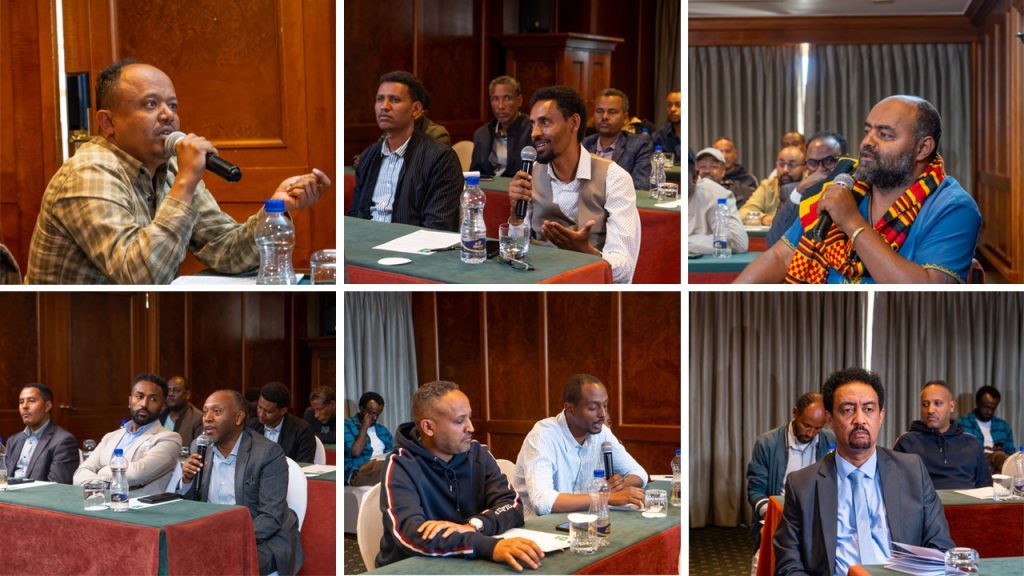
The PAP initiative, backed by MultiChoice and supported by various African broadcasters, is a regional coalition designed to raise awareness, build partnerships, and strengthen laws. In countries like Kenya, PAP has mobilized government agencies, regulators, andartists to speak in one voice against piracy. Its campaigns emphasize that piracy is not just an economic issue—it is about protecting African creativity.
- The Road Ahead
As Yonas Mitiku, a research consultant, emphasized in a recent presentation, piracy in Ethiopia is “suffocating the sleeping giant before it rises.” He warned that even a 30–40% reduction in piracy would unleash tens of millions in retained revenue for Ethiopian creators.
Africa’s creative economy faces enormous challenges like weak enforcement, technological gaps, and economic disparities but also opportunities. The continent’s young, digital-first population is hungry for stories. If piracy can be curtailed, the rewards are immense: sustainable industries, empowered artists, and Africa’s cultural voice resonating worldwide.
As filmmaker Habtamu Mekonnen put it: “We don’t want to stop creating. We just want to be respected, compensated, and heard.”
Editor’s Note: This feature was written and researched by Demeke Kebede. Parts of the narrative, data expansion, and language polishing were supported by AI tools. All sources have been fact-checked and attributed.
