
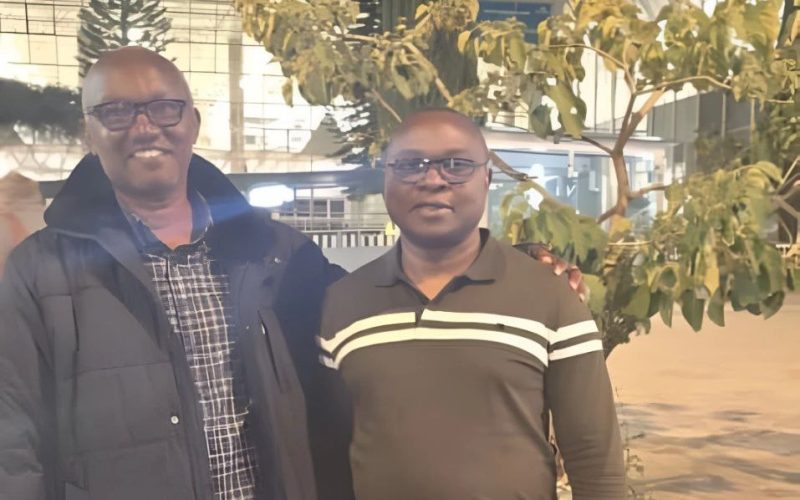
A Kenyan national who had been held hostage in Ethiopia has been released following the payment of a ransom amounting to 3 million Kenyan shillings, President William Ruto announced.
According to President Ruto, the Kenyan citizen, identified as Samuel Njagi, was freed after successful negotiations involving the Ethiopian government and the Kenyan Embassy in Addis Ababa.
The ransom was reportedly paid by Njagi’s employer to secure his release.
Njagi was abducted a week ago from his workplace in Debre Birhan, a town located about 160 kilometers northeast of Addis Ababa.
Following his abduction, the Kenyan Embassy in Ethiopia alerted local authorities, prompting coordinated efforts to locate and rescue him.
President Ruto commended the Kenyan ambassador in Addis Ababa and the Ethiopian authorities for their swift cooperation in ensuring Njagi’s safe release.
After being freed, Njagi stayed temporarily at the Kenyan Embassy in Addis Ababa before traveling back home to reunite with his family.
Ruto also emphasized the importance of ensuring the safety of Kenyans working abroad, urging foreign organizations employing Kenyan citizens to maintain close communication with the government.
He assured that the Kenyan government would continue to provide the necessary diplomatic support and intervention when citizens face danger in foreign countries.
However, details regarding the identity of the kidnappers and the organization that employed Njagi remain unclear.
Ethiopia has been grappling with widespread insecurity in recent years, partly due to restrictions on citizens’ freedom of movement and ongoing regional conflicts.
Although Debre Birhan is generally considered a relatively safe area, instability in surrounding regions has led to sporadic incidents of violence and abduction.
The security situation in Ethiopia has deteriorated notably since the federal government reorganized regional special forces two years ago.
This move triggered clashes between government forces and Fano militias in the Amhara region.
Human rights organizations, political groups, the African Union, and several Western countries, including the United States, have repeatedly urged Ethiopia to address its internal conflicts through dialogue.
While the Ethiopian government has publicly expressed willingness to negotiate and end ongoing human rights violations, reports from watchdog organizations continue to highlight serious abuses including extrajudicial killings, looting, destruction of property, arbitrary detention, and prolonged imprisonment.
