
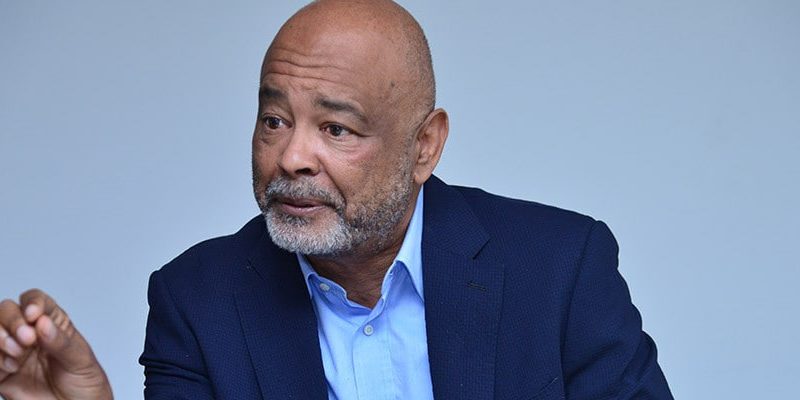
By Kebour Ghenna
The War You Don’t See… But Already Feel
By Kebour Ghenna
Let’s begin with an uncomfortable thought. What if this war is not really about Iran? Not about nuclear weapons. Not even about security. What if it is about pressure – applied indirectly – on China? Call it a stretch. But consider it.
China runs on imported energy. A large share flows through one narrow passage—the Strait of Hormuz. Squeeze that passage, even partially, and you don’t need to confront China directly.
You slow it down. And when China slows…The rest of the world doesn’t move faster. It tightens. For now, there is still a strange calm. Oil flows – reduced, but not stopped. Ships move – slowly, but not entirely halted.
Africa feels the tremor… but not yet the quake. That is the dangerous part. Because the first stage of a crisis is always quiet. But in Ethiopia, the quiet is already breaking. Not in headlines. On the roadside. Hundreds of trucks are parked, waiting for diesel… Not hours… Days.
Engines off. Drivers sleeping inside. Watching the gauge, knowing it doesn’t matter – it’s empty. And here is the thing most people miss: This is not an oil problem. It is a diesel problem. Diesel moves the economy. It carries food from farms to cities. It powers generators when electricity fails. It keeps construction, logistics, and agriculture alive.Take diesel out… and the economy doesn’t just slow. It stalls.
And when trucks stop… Food stops. And when food stops… prices rise. You don’t need theory. You can see it. Bread costs more. Vegetables cost more.Transport costs more. Not dramatically at first. Just enough to squeeze. Then a little more. This is how crises begin. Not with collapse.
With inconvenience. With queues. With delays that become shortages. Now go back to that “crazy assumption.” If global energy flows are being squeezed… and if major powers adjust by outbidding and rerouting supply… then Africa is not competing.
It is waiting. And waiting, in markets like this, means losing. Because those with stronger currencies secure supply first. Those without… get what is left. This is how a distant war becomes a local shortage.Not through bombs. Through pricing and access.
For now, there is still a small window. Fuel stocks may still exist. Shipments are still arriving. Systems are strained, but not broken. A month. Maybe two. But if the disruption continues… Diesel becomes scarcer. Queues become longer. Transport becomes unreliable. Food inflation accelerates.
And then the system begins to tighten everywhere at once. At that point, the usual advice sounds almost absurd. “Conserve fuel.” There is no fuel to conserve. “Expect higher prices.”
Yes, but then what? “Adjust consumption.” To what, exactly?
When transport fails, when goods don’t arrive, when income doesn’t rise with prices… people don’t adjust. They cut. Trips disappear. Meals change. Businesses slow or close. Life reorganizes downward.
And there is a limit to how far that can go. Because this is not just a household problem. It is a system problem. When diesel disappears, the question is no longer “how do people cope?”
It becomes: Who gets what remains? That decision cannot be left to the market alone. Because the market will allocate fuel to those who can pay the most, not to what matters most. So the state has to choose. Clearly. And quickly.
Fuel must go first to food transport. Then to agriculture. Then to essential services. Everything else comes after. Not because it is fair. But because it is necessary. At the same time, distractions must be eliminated. No external adventures. No wars… no symbolic projects.
No assumption that help will come easily from abroad, not even from Gulf partners like the United Arab Emirates, who are dealing with their own pressures. This is not the moment for ambition. It is the moment for triage.
And for ordinary people? The reality is harder. There is no clever strategy. Only adjustment at a lower level of activity. Fewer movements… More reliance on proximity… Greater dependence on informal networks: family, neighbors, shared resources.
And acceptance that some things will simply stop.In the end, the Strait of Hormuz is just a narrow stretch of water. But it carries something far larger than oil. It carries the fragility of a system where one disruption… far away, can leave trucks standing still in Addis Ababa… waiting for diesel that may not come. And that is how distant wars arrive.
Not suddenly. But steadily. Until one day… nothing moves!
Editor’s note: – views in the article reflect the views of the writer only!!
