
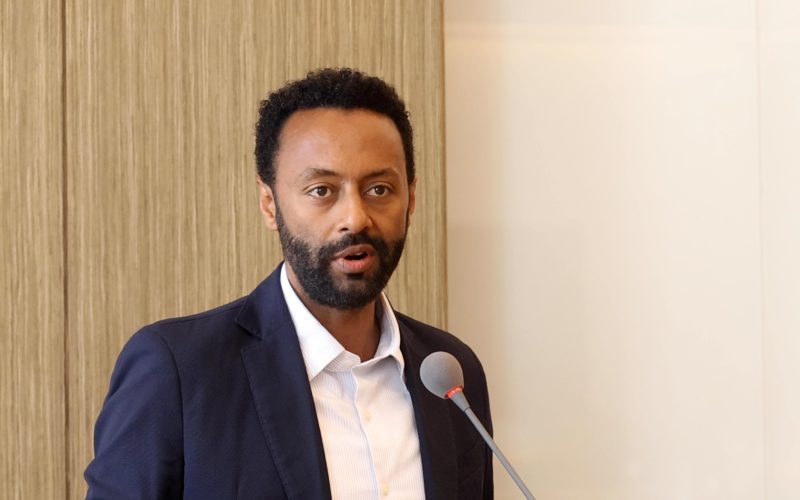
The World Bank has announced that it is set to approve a $1.4 billion budget support package for Ethiopia within the coming weeks, providing a significant boost to the country’s efforts to finance its growing budget deficit.
The announcement comes shortly after Ethiopia’s Ministry of Finance presented its 2019 fiscal year budget proposal to Parliament, revealing that the government’s budget exceeds 2.3 trillion birr.
The ministry stated that the deficit would be covered through a combination of foreign assistance and domestic revenue mobilization.
Speaking on June 17, 2026, at a discussion forum jointly organized by the Ethiopian Chamber of Commerce and Sectoral Associations and the Ethiopian National Dialogue Commission, Bisrat Teshome, Senior Private Sector Specialist at the World Bank Ethiopia Office, said the institution is preparing a one-time budget support package for the Ethiopian government.
According to Bisrat, the financing is expected to be approved during the World Bank’s Board meeting scheduled for June 25, 2026. At the current exchange rate, the $1.4 billion support package is equivalent to more than 229 billion birr.
The World Bank has provided Ethiopia with approximately $17 billion in loans and grants over the years, underscoring its continued commitment to the country’s economic growth and development.
However, World Bank officials emphasized that continued international support depends on Ethiopia maintaining peace, stability, and its commitment to ongoing economic reforms.
Bisrat noted that recent reforms, particularly in the foreign exchange regime, customs administration, finance, banking, insurance, and logistics sectors, have begun to create a more favorable environment for private sector development.
He explained that customs reforms have replaced the previous valuation system, where customs officials often relied on estimated prices or online references, with a system that gives greater emphasis to actual invoices provided by importers and manufacturers.
The opening of key sectors, including banking, insurance, finance, and logistics, to foreign investment was also highlighted as an important step toward improving competitiveness and attracting international investors.
Bisrat stressed that these reforms should continue and that the World Bank remains committed to supporting Ethiopia in building a more predictable and competitive business environment.
However, representatives of the business community raised concerns over the impact of conflict and instability on private sector activities.
Bogale Bitane, President of the Southern Ethiopia Region Chamber of Commerce and Industry, said frequent changes in policies and laws have created uncertainty and discouraged long-term investment.
He stated that many business owners have suffered from property destruction, displacement, and loss of livelihoods due to conflicts.
“We have seen assets built over many years destroyed overnight. Traders who once supplied raw materials to factories and possessed significant assets have lost everything and are now seeking employment,” Bogale said, calling for stronger mechanisms to protect businesses from the effects of conflict.
Berihu Habtu, a board member of the Ethiopian Chamber of Commerce and Industry representing traders from the Tigray Region, said the region’s business community has suffered extensive losses following the two-year conflict in northern Ethiopia.
According to Berihu, unpaid bank loans owed by traders in the region increased from 32 billion birr before the conflict to about 90 billion birr afterward.
He said that despite repeated requests for financial assistance and support over the past three years, affected businesses have received insufficient assistance.
Berihu also stressed that lasting peace cannot be achieved by dismissing previous systems and attempting to impose entirely new political narratives whenever a new government takes power.
Dr. Kenenisa Lemi, Secretary General of the Ethiopian Chamber of Commerce and Industry, said the chamber is working to ensure that concerns raised by the business community, particularly those related to peace and security, are communicated to federal and regional authorities.
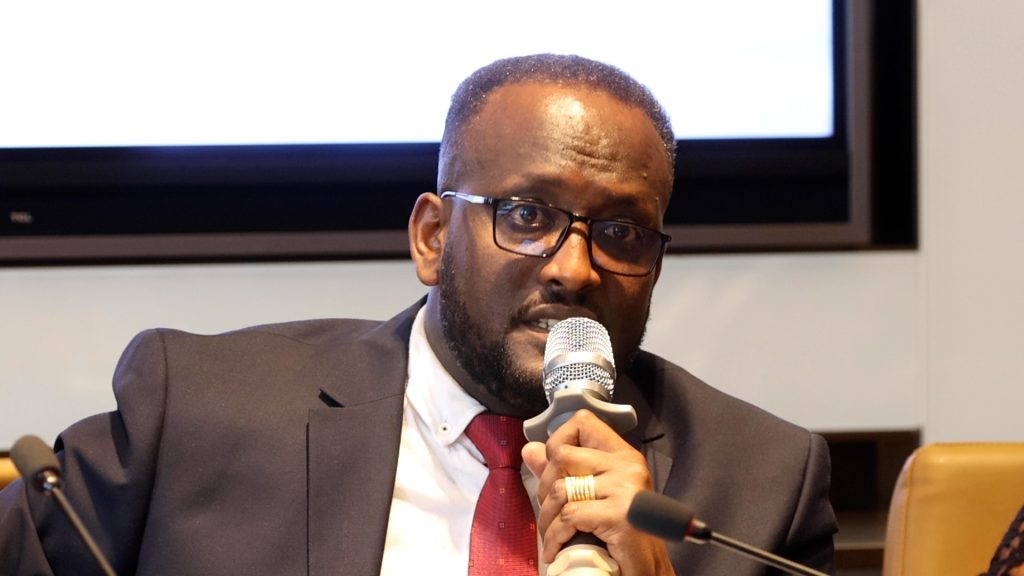
“Private institutions are often the first victims when peace and stability are disrupted. Therefore, it is important that the concerns of the communities we represent receive appropriate responses to ensure sustainable peace,” he said.
Dr. Ambaye Ogato, a commissioner of the Ethiopian National Dialogue Commission, explained that the postponement of the national dialogue process was intended to allow broader consultations at the grassroots level, particularly in woredas, to strengthen trust and promote inclusiveness.
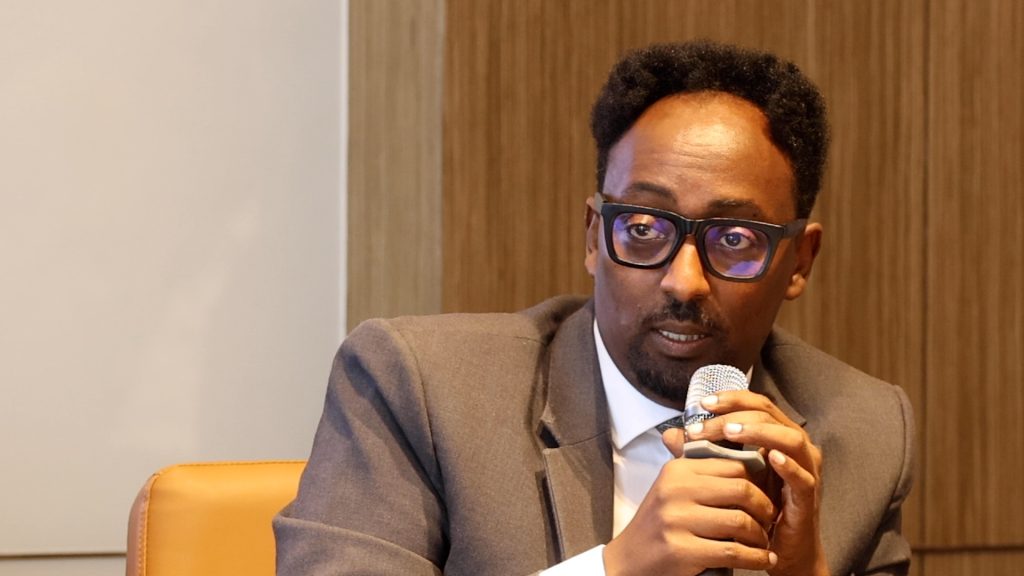
The Ethiopian National Dialogue is scheduled to begin on July 15, 2026, with more than 4,000 participants expected to take part.
Key issues expected to be discussed include constitutional amendments, economic inequalities, the national flag, and other longstanding political and social disputes that have contributed to conflicts in the country.
