
Ethiopian Gold Producers Adopt Mercury-Free Borax Technology in Benishangul-Gumuz
Gold producers in Ethiopia’s Benishangul-Gumuz Regional State are adopting a new technology that uses borax as an alternative to mercury in gold processing, in an effort to reduce health and environmental risks associated with the toxic chemical.
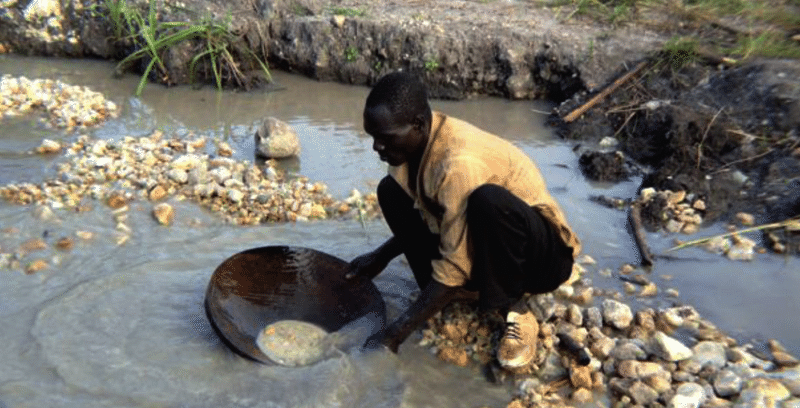
This region is one of Ethiopia’s major gold-producing regions, with significant primary ore and alluvial placer deposits. The region plays an important role in the country’s multi-billion-dollar mining strategy, which seeks to transition from traditional artisanal gold panning toward more modern and large-scale extraction methods.
The Benishangul-Gumuz Regional Mineral Resources Development Bureau said the technology is being introduced to help gold producers obtain higher-quality products while eliminating the use of mercury, which can pose serious risks to human health and contaminate the environment.
Bureau Head Tujane Adem said extensive training and technology transfer activities are underway to promote the use of the mercury-free technology among gold producers in the region.
According to the bureau, a system has also been established in collaboration with Medrock Investment Group, allowing producers to deliver gold directly to a processing facility after extraction without using mercury.
Tujane said efforts are underway to expand access to the technology, while strict measures are being taken to combat illegal gold mining and gold smuggling in the region.
However, he noted that limitations remain in providing additional technologies needed to increase gold production and called on relevant stakeholders to contribute to addressing the challenges.
The move comes amid growing concerns over the environmental and public health impacts of chemicals used in gold mining in Ethiopia.
Four months ago, Human Rights Watch alleged that chemicals used at the Gedembi gold mine in Dembi Dolo, Oromia Region, operated by Midrock Investment Group, had polluted the surrounding environment and affected local communities.
The report, citing local residents and indigenous civil society organizations, claimed that waste and chemicals from the mining project had contaminated water, soil and air, contributing to serious health problems among residents.
Midrock Investment Group rejected the allegations, saying it complies with Ethiopian government regulations and international environmental protection standards.
Meanwhile, Minister of Mines Engineer Habtamu Tegegn said companies operating in Ethiopia are legally required to comply with environmental protection measures and bear responsibility for pollution caused by their activities.
Speaking three months ago during the signing of mining agreements for potash in the Afar Region and gold and gemstone mining in southern Ethiopia, the minister said the Ministry of Mines monitors companies to ensure compliance with environmental protection requirements.
