
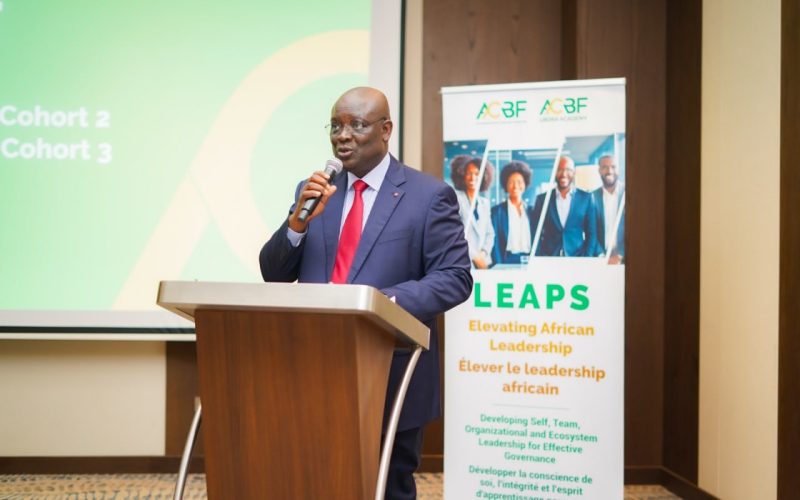
Ethiopia has joined a pan-African leadership program designed to strengthen the capacity of public-sector officials to lead public financial management (PFM) reforms and drive institutional transformation.
The African Capacity Building Foundation (ACBF) highlighted Ethiopia’s participation in the Leadership Excellence in Africa’s Public Sector (LEAPS) program during a webinar held on September 3, 2026, focusing on leadership lessons from the initiative.
According to ACBF Executive Secretary Mamadou Biteye, Ethiopia became the ninth country to join the LEAPS program, participating in its third cohort.
The program, established by ACBF with support from the Gates Foundation, seeks to strengthen leadership and change-management skills among public-sector officials involved in financial management reforms.
Biteye said technical expertise alone is not enough to deliver complex institutional reforms, arguing that public-sector leaders must also be able to build trust, manage resistance, work across institutions and maintain momentum during difficult reforms.
For Ethiopia, participation in the program comes as African governments continue to focus on improving domestic resource mobilization, public investment, budgeting and expenditure management.
The LEAPS approach combines leadership training with self-assessment, personal development plans, individual and group coaching, peer learning, technical seminars and practical application to real public financial management challenges.
Rather than imposing predetermined reforms, the program allows participating institutions to identify their own capacity needs and enables officials to define the problems and reform objectives they want to address.
Adil Ababou, Senior Program Officer in Development Policy and Finance at the Gates Foundation, said this approach is particularly important as African countries place greater emphasis on policy ownership and defining their own development priorities.
He said successful reform requires more than individual leadership, stressing the importance of teams, institutions and networks capable of working across government structures.
The first LEAPS cohort included Côte d’Ivoire, Ghana, Kenya, Senegal, Zimbabwe and The Gambia. Nigeria, Tanzania and representatives from the African Union Commission joined the second cohort, while Ethiopia joined the third.
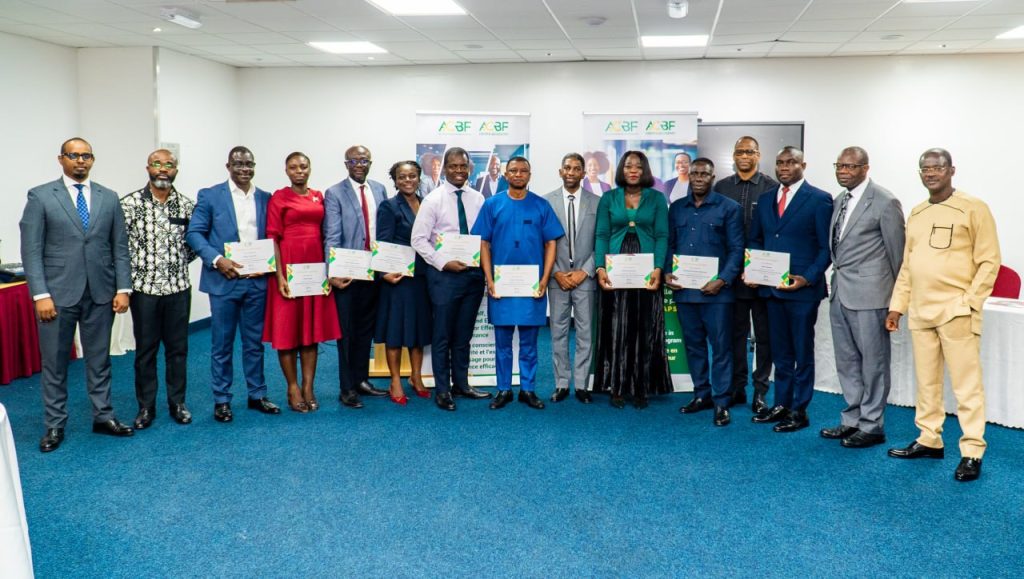
ACBF said early experiences from the first cohort showed improvements in areas including decision-making, team cohesion, communication, delegation, stakeholder engagement and cooperation between institutions.
Biteye said the next challenge is to ensure that leadership gains achieved by individual participants translate into broader institutional change.
ACBF plans to expand LEAPS to senior and mid-level public-sector managers, strengthen alumni networks and integrate coaching and mentorship into government training institutions.
The foundation is also introducing a LEAPS Executive Program through its Ubora Academy, opening the initiative to public-sector officials across Africa.
Biteye said strengthening public-sector leadership is essential to ensuring that policies, budgets, digital systems and technical reforms are translated into sustainable results.
For Ethiopia, the program provides an opportunity to strengthen the leadership capacity of officials involved in public financial management and support reforms through stronger coordination, institutional ownership and change management
