
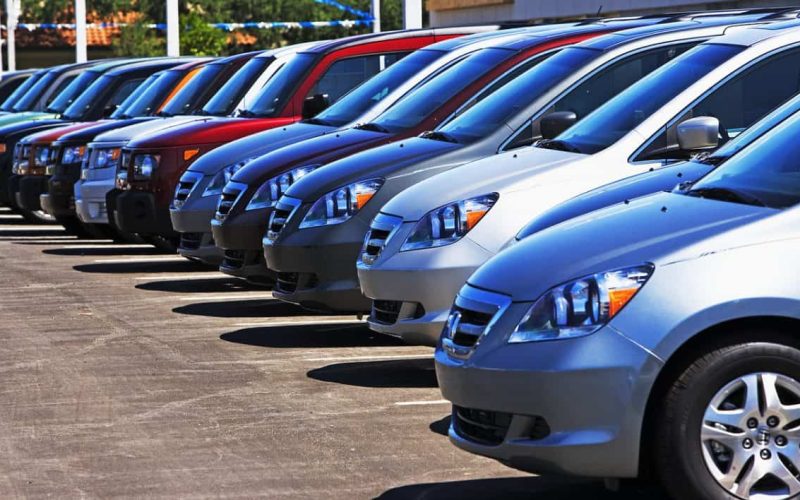
After months of deliberation, the Ethiopian government has taken decisive action by implementing a ban on the importation of private service vehicles that rely on fuel.
Companies involved in importing vehicles from various countries into Ethiopia have been notified that they are no longer permitted to import fuel-run vehicles as of last week.
This directive extends to vehicles sourced from the Middle East, Europe, and South Africa, a decision that has left importers grappling with significant losses and challenges.
Reports from affected parties indicate a sense of frustration and financial strain resulting from the abrupt enforcement of the ban. Many importers express grievances over the lack of prior notice and the absence of an opportunity to mitigate their losses by redirecting vehicles already in transit.
The confusion surrounding the ban was evident when the Ministry of Transport and Logistics initially announced the prohibition to parliament members, only to have the Ministry of Finance contradict the decision, suggesting it was still in the planning stages.
However, recent developments confirm that private fuel-powered vehicles are now restricted from entering the country unless intended for specific development projects or public transportation purposes.
Stakeholders in the import sector are mobilizing to engage with the Ministry of Transport and Logistics to seek clarification and potential solutions.
One investor voiced concerns about the impact on their business operations, emphasizing the need for adequate preparation and a smoother transition process.
Furthermore, individuals returning to Ethiopia after extended periods abroad recount encountering unexpected hurdles in importing personal vehicles compliant with customs regulations.
The rationale behind the ban, as articulated by the government, is centered on environmental preservation and reducing fuel dependency.
Transport and Logistics Minister Alemu Sime reaffirmed the government’s commitment to transitioning towards greener transportation alternatives.
He highlighted the introduction of tax incentives for electric vehicles, signaling a shift towards promoting sustainable mobility solutions.
Additionally, the minister advocated for the adoption of non-fuel modes of transportation such as animal-drawn carts, bicycles, and walking, as part of a broader strategy to curb pollution and foster healthier lifestyles.
Importantly, the ban exempts non-private institutions utilizing fuel-powered vehicles for designated projects, indicating a nuanced approach to regulatory enforcement. This initiative aligns with the government’s overarching agenda for sustainable development, endorsed and overseen by the Prime Minister Abiy Ahmed.
The Ministry of Transport reports a sizable fleet of approximately two million vehicles, many of which are aging and contribute to environmental degradation.
To discourage the use of older, emission-intensive vehicles, the government has imposed hefty taxes on imported used vehicles while incentivizing the acquisition of new or locally assembled vehicles through favorable tax schemes.
The move towards cleaner transportation options reflects a global imperative, with the World Health Organization attributing a significant portion of air pollution-related deaths to vehicle emissions.
