
Africa Advances Toward a Circular Economy Through Media and Policy Collaboration
Africa is taking significant strides toward integrating circular economy principles into its development agenda, with policymakers, development partners, and media professionals joining forces to accelerate the continent’s transition toward sustainable growth.
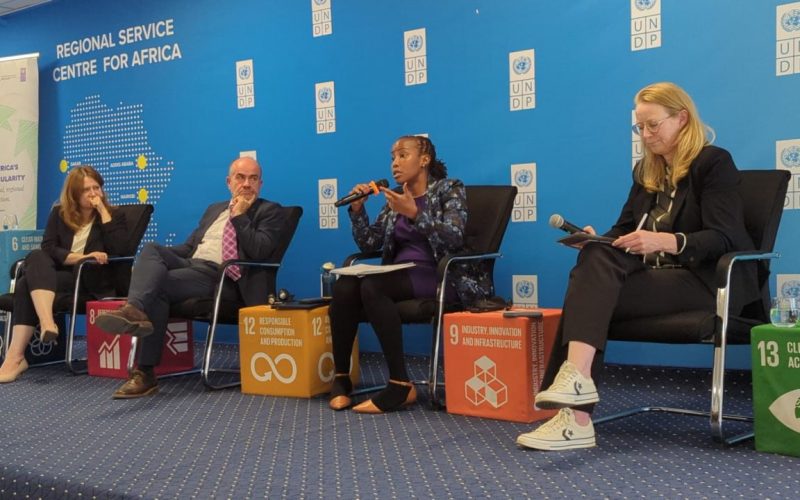
From October 13 to 16, 2025, the African Circular Economy Alliance (ACEA), in collaboration with Africa 21 and the African Development Bank’s Circular Economy Facility (ACEF), organized a specialized workshop for African journalists at the United Nations Headquarters and the UNDP Africa Center in Addis Ababa.
The United Nations Economic Commission for Africa (UNECA) provided technical support, while the Ellen MacArthur Foundation contributed expertise on global circular practices.
The four-day workshop aimed to build a network of African journalists capable of telling compelling stories about circular innovation and sustainability.
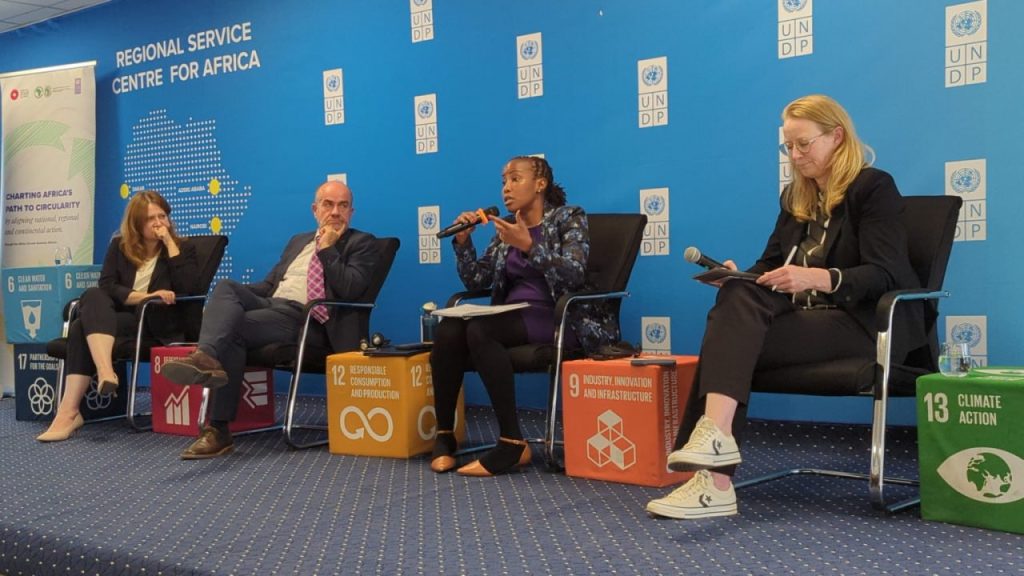
Participants also covered the two-day ACEA Annual Assembly and took part in a field visit highlighting real-world applications of circular principles across key sectors such as waste management, renewable materials, and sustainable agriculture.
Despite major policy progress including the African Union’s adoption of the Continental Circular Economy Action Plan (2024–2034) public understanding and media coverage of circular opportunities remain limited.
Technical jargon and fragmented reporting have often left citizens, investors, and policymakers unaware of how circularity contributes to job creation, competitiveness, and climate resilience.
“This initiative is about empowering journalists to transform technical concepts into human-centered stories that resonate with the African public,” organizers said.
“By investing in training, exposure, and mentorship, the program seeks to amplify African voices in global discussions on circularity.”
The first cohort consists of ten journalists from diverse linguistic and geographic backgrounds who will continue to report on circular economy issues beyond the event, helping to strengthen public engagement and cross-border collaboration.

According to Bonmwa Fwangkwal, Program Manager at the African Circular Economy Alliance (ACEA), the continent’s path to circularity focuses on five strategic sectors: plastic waste recycling, food waste conversion, e-waste management, recycled textiles, and mass timber for sustainable construction.
These industries, he said, offer immediate opportunities for job creation, cleaner production, and reduced dependence on imported raw materials.
For example, recycling plastic packaging can reduce energy use by up to 75% and create thousands of jobs in urban centers, while converting food waste into organic fertilizer supports farmers and cuts emissions.

Similarly, expanding e-waste recycling facilities can recover valuable materials such as gold and copper while curbing toxic pollution.
Charles Akol, Environmental Affairs Officer at UNECA, noted that Africa’s circular economy movement is also transforming traditional industries.
In the automotive sector, circularity is advancing through vehicle refurbishment, repair clusters, and remanufacturing initiatives.
Notable examples include Ghana’s Suame Magazine Automotive Centre and Nigeria’s Nnewi Automotive Cluster, which together employ tens of thousands of workers and recover hundreds of thousands of tons of materials annually.
Experts emphasize that integrating circularity into Africa’s automotive, fashion, and construction sectors will not only minimize waste but also spur the growth of new industries and green jobs.
“Circularity offers Africa a pathway to industrialize sustainably one that creates jobs, conserves resources, and strengthens resilience to climate shocks,” said an official from the African Development Bank.
As the workshop concluded, participants and experts agreed that the success of Africa’s circular transition depends on sustained collaboration among governments, businesses, civil society, and the media.
The newly established journalist network is expected to play a key role in shaping a continental narrative that links local success stories to broader policy goals.
With the continued engagement of institutions such as UNECA, the African Development Bank, and the Ellen MacArthur Foundation, Africa is positioning itself not merely as a participant but as a global leader in circular economy transformation—turning what was once seen as waste into engines of innovation, opportunity, and sustainable growth.
