
African and Middle Eastern Banks Eye Entry into Ethiopia’s Market
African and Middle Eastern banks are gearing up to enter the Ethiopian market, marking a significant shift as Ethiopia opens its doors to foreign financial institutions.
For decades, Ethiopia’s banking sector remained closed to foreign players. However, recent policy reforms are creating favorable conditions for foreign banks to establish operations in the country.
In response to these reforms, the Ethiopian Capital Market Authority was established a year ago, signaling the government’s commitment to modernizing the financial sector.
Six months ago, Standard Bank, headquartered in South Africa, submitted an application to enter the Ethiopian market.
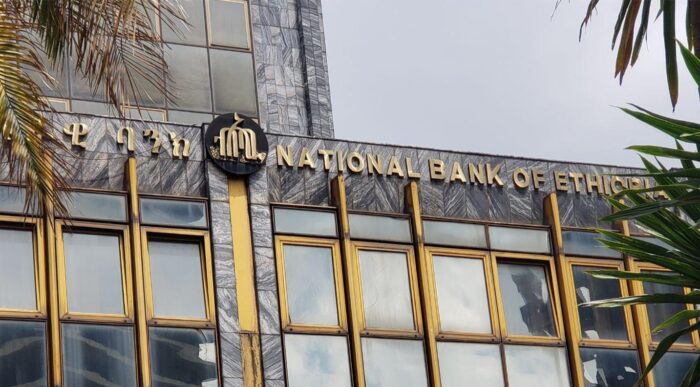
Additionally, banks from Morocco, Kenya, and the United Arab Emirates have expressed interest in expanding their operations into Ethiopia, according to Mamo Mehretu, the Governor of the National Bank of Ethiopia.
Governor Mamo also revealed that a new law permitting foreign banks to operate in Ethiopia is expected to be approved by the House of Representatives in the coming weeks.
Under the new regulations, foreign banks seeking investment banking licenses in Ethiopia will need to have a minimum paid-up capital of 100 million birr (approximately $833,000), while non-banking financial institutions will require a minimum of 25 million birr.
In May, Ethiopia announced plans to grant five banking licenses to foreign investment banks over the next five years, signaling a phased approach to opening up the sector.
The National Bank has also hinted at potential partnerships between foreign investors and local stakeholders, particularly in the industrial sector.
The banking industry is not the only sector attracting foreign interest. Since Prime Minister Abiy Ahmed took office in 2018, he has championed reforms to open up key sectors previously closed to foreign investors.
This includes the telecom sector, where Safaricom, a major player from Kenya, became the first foreign telecom company to receive a license three years ago.
Although the government has made efforts to liberalize other industries, including an attempt to sell a 45% stake in state-owned Ethio Telecom, international bidders withdrew due to Ethiopia’s ongoing security challenges.
Despite these hurdles, the government’s determination to attract foreign investment remains strong, particularly in banking, telecommunications, transportation, and aviation.
