
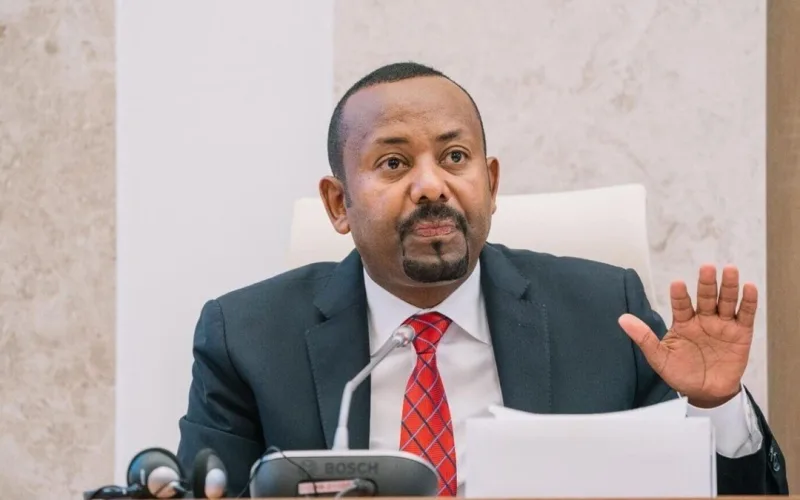
Eritrea Blames Prime Minister Abiy Ahmed for Deteriorating Relations with Ethiopia
Eritrea has placed the blame for the deterioration of its relations with Ethiopia squarely on Prime Minister Abiy Ahmed, accusing him of actions that have negatively impacted their bilateral ties.
Yohannes Teklemichael, Eritrea’s ambassador to South Sudan, made the remarks during a rare interview on the Eritrean Embassy in Britain’s YouTube channel.
This interview, however, was removed shortly after being posted, reportedly by the Eritrean authorities. The BBC reported that the video was taken down within hours of its release.
Ambassador Teklemichael expressed that the once-positive relationship between Eritrea and Ethiopia has significantly soured in recent months.
He specifically cited the decline in diplomatic and communication channels, which had once been restored following a landmark peace agreement.
The ambassador’s statements come at a time when relations between the two countries appear to have deteriorated, though there has been no official announcement confirming a breakdown in diplomacy.
The improvement in relations between the two nations began after the signing of the Pretoria Agreement in 2022, which saw the Ethiopian government and the Tigray People’s Liberation Front (TPLF) reach a ceasefire.
However, following this agreement, relations between Eritrea and Ethiopia seem to have worsened, despite initial hopes for greater cooperation.
The suspension of Ethiopian Airlines flights and the cessation of telephone services have both been frequently cited as indicators of the deteriorating diplomatic ties between the two countries.
In his interview, Ambassador Teklemichael blamed Prime Minister Abiy Ahmed for the downturn in relations.
He stated, “The problems that the Prime Minister is currently creating in Arat Kilo have caused the relationship between the people of Eritrea and Ethiopia to die.”
Arat Kilo, a reference to a key location in Addis Ababa, the Ethiopian capital, has become a symbolic focus of Eritrean discontent with the Ethiopian leadership.
The ambassador further lamented that the diplomatic rift had significantly affected the people-to-people ties between Eritreans and Ethiopians.
Ambassador Teklemichael’s interview has now been removed from the Eritrean Embassy’s YouTube channel, and the video is no longer available.
It is unclear why the video was taken down so quickly, but the move reflects the sensitive nature of the issue being discussed.
The strained relations between Eritrea and Ethiopia are a stark contrast to the thaw in ties that occurred in 2018 when Prime Minister Abiy Ahmed took office.
That year, Abiy’s leadership led to a historic peace agreement between the two countries, which had been locked in a tense standoff for over 20 years.
The restoration of diplomatic relations was seen as a significant milestone, with both nations resuming regular telephone services after a seven-year interruption and reconnecting flight routes between Addis Ababa and Asmara.
However, since September 2024, Ethiopian Airlines has suspended flights between the two capitals, citing a “difficult and uncontrollable situation” in Eritrea as the reason for the suspension.
This move has fueled concerns that the peace process and growing diplomatic ties between the two countries may be unraveling.
In response to inquiries, Ethiopian Foreign Ministry Spokesperson Ambassador Nebiat Getachew declined to comment directly on the situation during his weekly diplomatic briefing.
In previous statements, Ambassador Getachew maintained that relations between Ethiopia and Eritrea remained unchanged and were still in good standing, despite the recent tensions.
The current situation remains fluid, with both countries’ leadership seemingly at odds over the future direction of their bilateral relations.
As the suspension of flights and telephone services continues, it remains to be seen how the relationship between Eritrea and Ethiopia will evolve in the coming months.
