
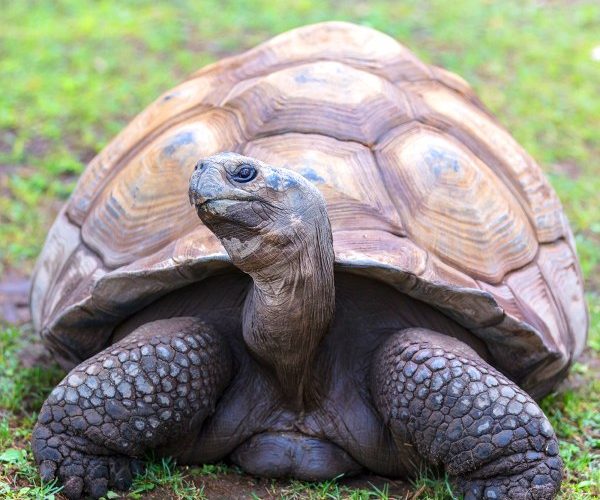
Ethiopia Exported 369 Turtles in the last six months
The Ethiopian Wildlife Conservation Authority has announced that the country has earned over 22 million birr from the export of turtles to foreign markets in the past six months.
According to Daniel Worku, the head of the authority’s wildlife management desk, this revenue comes from the sale of non-endangered, non-rare live animals, in line with international trade agreements.
Worku clarified that Ethiopia’s wildlife exports mainly include species that are not considered rare or endangered.
These animals include tortoises, monkeys, birds, and certain mammals like leopard tortoises, all of which are permitted for legal sale within the country.
He emphasized that up to 500 tortoises are allowed to be exported annually, and in the past six months alone, 369 turtles have been exported.
The first half of the 2024/25 fiscal year saw Ethiopia successfully earn more than 22 million birr from the export of these turtles.
Countries such as Thailand, Hong Kong, China, and North Korea are the primary destinations for these exports, with a particular emphasis on Asian markets due to the high demand for turtles in these regions.
In addition to its role in wildlife exports, Ethiopia is also known for its regulated wild animal hunting practices.
The Ethiopian Wildlife Development and Conservation Authority has developed a legal framework to manage and oversee this activity.
Daniel Worku, who also heads the wildlife utilization desk at the authority, explained that Ethiopia conducts legal hunting operations for visitors from around the world.
These hunts are carried out in regions such as Oromia, Afar, Somali, and Southern Ethiopia, where wildlife is abundant.
Ethiopia permits the hunting of 54 species of wild animals, including iconic creatures like lions, leopards, and mountain goats.
However, the country has also designated 48 species as prohibited for hunting, including elephants, wolves, and hyenas, in an effort to protect its most vulnerable wildlife.
The fees for legal hunting vary greatly depending on the animal. A minimum of $50 is charged for certain species, while hunting more prestigious animals can cost up to $15,000.
Notably, Ethiopia has set a mandatory fee of $4,500 for hunting a lion, which is considered an endangered species.
Ethiopia’s approach to wildlife management is a delicate balance between conservation and economic benefit.
The country has found ways to generate revenue from its wildlife resources through regulated exports and legal hunting, while ensuring that its most endangered species remain protected.
This strategy reflects Ethiopia’s commitment to sustainable wildlife conservation, in accordance with both national and international regulations.
