
Climate change is exposing previously malaria-free areas of Africa to the disease, while growing resistance to antimalarial medicines and insecticides threatens efforts to reduce infections and deaths, health experts have warned.
Michael Adekunle Charles, Chief Executive Officer of the RBM Partnership to End Malaria, said changing weather patterns are expanding malaria transmission into highland areas that were previously considered to have a lower risk of infection.
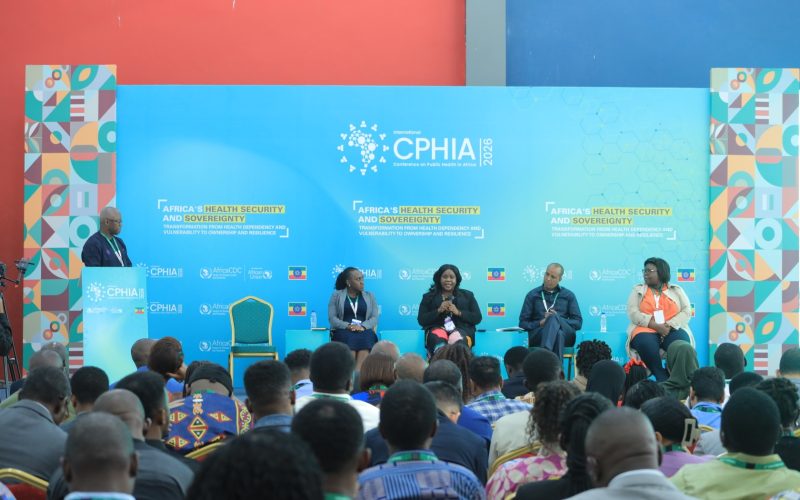
Speaking on the sidelines of the Fifth International Conference on Public Health in Africa (CPHIA) in Addis Ababa, Charles said highland communities in Ethiopia, Kenya and Tanzania are increasingly facing malaria risks associated with climate change.
“With climate change and adverse weather patterns, some places that were not prone to malaria are now becoming prone to malaria,” he said.
He urged African countries to regularly update their malaria risk assessments and strengthen surveillance systems to identify emerging transmission areas and protect vulnerable communities.
According to Charles, malaria continues to claim approximately 620,000 lives annually worldwide, with about 95 percent of the deaths occurring in Africa, predominantly among children under five.
He compared the daily death toll to six plane crashes, each carrying around 300 passengers, saying the continent should not continue experiencing such preventable deaths in 2026.
Charles also warned that resistance to insecticides and antimalarial medicines is becoming an increasingly serious challenge, potentially slowing progress towards malaria elimination.
He said resistance to artemisinin-based treatments, which are central to malaria treatment, is increasingly being detected, recalling earlier challenges associated with chloroquine resistance.
He called for stronger disease surveillance, monitoring of drug effectiveness and greater investment in research to identify and respond to emerging resistance.
The RBM Partnership CEO also expressed concern that reductions in health financing are affecting essential malaria control activities, particularly data collection, surveillance and studies on the effectiveness of antimalarial medicines.
He said global donors, African governments and development partners must increase their contributions to malaria control, emphasizing the need to combine domestic financing with international support.
Charles noted that only six percent of global climate financing goes to the health sector, despite the significant consequences of climate change for public health.
“There is a mismatch somewhere,” he said, calling for greater integration of health priorities into climate financing and international climate negotiations.
Elizabeth Juma, head of the Neglected Tropical Diseases Elimination Programme at the World Health Organization’s Regional Office for Africa, also warned that climate change could reverse health gains achieved across the continent over the past two decades.
She said climate-related disasters, population displacement and changing environmental conditions are increasing the vulnerability of communities already affected by malaria and neglected tropical diseases.
According to Juma, climate change affects malaria control not only by creating favorable conditions for disease-carrying mosquitoes but also by damaging health facilities, roads and other infrastructure needed to deliver essential health services.
“When severe climate events like cyclones happen, they damage health infrastructure and roads. If the facility is not there, where will people seek care?” she said.
Juma stressed the importance of integrating climate information into national health planning to ensure that malaria prevention and treatment programmes remain effective under changing environmental conditions.
On the growing threat of antimalarial drug resistance, she said health authorities have detected genetic mutations associated with partial resistance in countries including Ethiopia, Rwanda and Uganda.
However, she explained that the mutations do not necessarily indicate complete resistance, but may cause medicines to take longer to eliminate malaria parasites.
She urged communities to seek proper diagnosis and follow prescribed treatment rather than taking antimalarial medicines without medical advice.
Juma also emphasized the importance of combining effective treatment with mosquito control, environmental management and new medicines targeting the parasite’s transmission cycle.
She said addressing drug resistance requires a comprehensive approach, including continued monitoring of treatment effectiveness and the development of new medicines.
While research institutions are working to develop new treatments, she noted that bringing new medicines to market can take up to 20 years, making the effective use of existing interventions particularly important.
Both experts called for stronger collaboration between African governments, health institutions, climate organizations and development partners to address the growing intersection of climate change and malaria.
Juma said African countries should also strengthen domestic financing and make more efficient use of available resources, arguing that external assistance can no longer serve as the backbone of national health systems.
The experts further called for African countries to speak with a common voice in international climate negotiations and demand greater financing for climate-resilient health systems.
Their warnings come as African countries face the dual challenge of tackling existing malaria burdens while preparing health systems for the changing disease patterns associated with climate change.
