
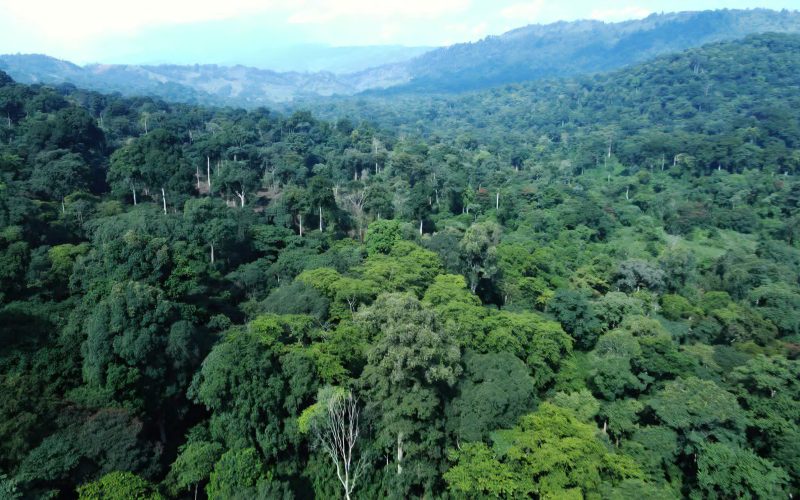
Ethiopia is advancing an agroecology-based strategy aimed at transforming its food system, restoring degraded land and strengthening the resilience of farmers to climate change.
The strategy, prepared by the Ministry of Agriculture in collaboration with various stakeholders, covers the entire food system, from farming practices and crop production to the sustainable management of natural resources and food consumption.
Speaking at the opening of the Third National Agroecology Conference in Addis Ababa on November 6, 2026, Miteku Ayele, an advisor to the Minister of Agriculture, said the strategy was developed based on Ethiopia’s diverse ecological conditions, with soil fertility improvement identified as one of its major priorities.
He emphasized the importance of adopting agricultural approaches that respond to the country’s different ecological zones and improve the long-term productivity of farmland.
Dr. Hailu Are’aya, Director General of PELUM Ethiopia, an organization promoting agroecological farming, said the country’s agricultural sector is facing growing challenges from climate change, declining soil fertility and the degradation and depletion of natural resources.
He stressed the importance of expanding agroecological practices as a way of addressing these challenges while supporting sustainable food production.
The Third National Agroecology Conference brought together policymakers, researchers, development organizations and farmers to discuss ways of integrating ecological farming approaches into national agricultural policies and practices.
Farmers who have recorded successful results through agroecological farming also shared their experiences and exchanged knowledge on locally adapted approaches to improving agricultural productivity and protecting natural resources.
The conference featured an exhibition of indigenous seeds, traditional farming tools and locally produced foods, highlighting the contribution of traditional knowledge and locally adapted agricultural practices to sustainable food systems.
It also recognized farmers, researchers and institutions for their contributions to seed conservation, biodiversity protection and the promotion of sustainable agriculture.
The conference was supported by several organizations, including the Ethiopian Biodiversity Institute, Agroecology Fund, Brot für die Welt, ActionAid and CST Ethiopia.
Ethiopia’s diverse ecology makes agroecology particularly relevant to its agricultural development. The country has a wide range of agroecological zones, ranging from highland areas with relatively cool and humid conditions to lowland regions characterized by hotter and drier climates.
This ecological diversity supports the production of a wide variety of crops, including teff, wheat, maize, sorghum, barley, coffee and enset, as well as different livestock production systems.
However, agricultural production remains vulnerable to climate variability, soil erosion, land degradation, deforestation and irregular rainfall. These challenges are particularly significant for smallholder farmers, who depend heavily on rain-fed agriculture for their livelihoods.
Soil erosion and declining soil fertility have also affected agricultural productivity in several parts of the country, increasing the need for sustainable land management and soil restoration.
Agroecology promotes farming systems that work with natural ecosystems rather than relying exclusively on external agricultural inputs. Its practices include crop rotation, intercropping, composting, agroforestry, water conservation, biological pest management and the conservation of indigenous crop varieties.
Such approaches can help improve soil health, conserve water, protect biodiversity and strengthen farmers’ capacity to adapt to climate-related shocks.
Ethiopia’s agricultural transformation efforts, including its Green Legacy Initiative and broader natural resource restoration programmes, have also highlighted the importance of protecting the environment and improving the sustainable management of land and water resources
